
Webinar or Talk
How Important is Jordan? with David Schenker
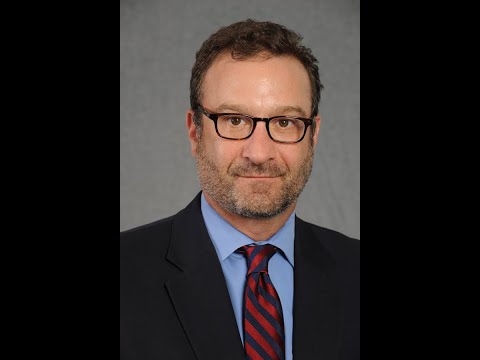 Watch on YouTube
Description
The alleged coup attempt in Jordan last month briefly placed the Hashemite Kingdom at the forefront of the news. The crisis passed but it raised a host of questions about a country that usually attracts little attention: How vital is the monarchy to the country’s stability? How vital is Jordan’s stability to the region? After the Abraham Accords, what is Jordan’s role in diplomacy? What happens to Jordan if Israel diminishes its role in Jerusalem?
Transcript Automatic captions
Source: Automatic captions from YouTube, retrieved November 9, 2026. Automatic captions are machine generated and may misspell names and terms; check the video before quoting.
0:01 Good afternoon and welcome to the Middle East Forum speaker webinar series and podcast. I'm Stacy Roman and I will be moderating this discussion today. We're pleased to have David David Shanker, a senior fellow at the Washington Institute and former assistant secretary of state for near east affairs in 2019 to 2021 join us to discuss how important is Jordan. Mr. Shanker will be speaking for 15 minutes and open it up for questions. Should you wish to ask a question, please use the Q&A box located at the bottom of your screen to type your question. And with that, I will turn the discussion over to Mr. David Thanks. It's good to be with the Middle East forum today. Um, so I was asked to talk a little bit about Jordan, um, about stability, about threats to stability, about the importance of a stable Jordan uh, for Israel and for the United States. Um, so, uh, what, um, I'm going to do is start off with talking about the the recent, uh, so-called coup attempt, which, uh, to my mind really
1:05 wasn't a coup attempt. Um you had a family member um Hamza bin Hussein, the son of the late King Hussein um who had not uh entirely accepted uh the 1999 or decision by uh by King Abdullah uh to remove him as crown prince of the country. Um you recall at the time uh that of the succession to King Hussein uh King Abdullah um it was uh installed uh as his crown prince Hamza in the transition. Um subsequently uh King Abdullah chose to remove Hamza from that line of succession, replace him with his son Hussein. Um obviously uh Hamza had aspirations. Same a similar thing happened uh to Hassan the brother of King Hussein who uh had been crowned prince for decades and was removed by Hussein right before he passed away. Um
2:09 Hussein uh sorry uh Hassan, King Hussein's brother ultimately uh accepted um his demotion. Um but Tamza was not pleased with it apparently and um so um he was not necessarily conspiring against the king as far as I can tell but um no doubt was talking with members of tribes and uh uh there were some family discrepancies and uh dirty laundry that was aired publicly. So um obviously uh this is something that the king would not want to tolerate nor would his son the crown prince Hussein and so they took steps. Um it's unclear whether there was a a foreign role here.
2:53 Uh the Jordanian government has said uh that u alternatively that there was and then there wasn't a foreign role here. Um but there had been other people arrested including Basam Moadalah who was one of the King Abdullah's adviserss. Um he remains I think uh in detention in Jordan but he had been a an economic adviser and posted uh in Saudi Arabia. Um so um I think uh you uh this issue is not finished entirely. Um but um I think that um there's no threat um to uh to uh the king's position. Um uh there's not going to be a military coup in the the country. Um that said, there there are challenges and I think serious challenges to stability in the kingdom and these primarily concern uh economics. Uh the economy of Jordan is not good. Uh, in fact, it's terrible.
3:54 Uh, I think they lost 140,000 jobs in 2002. They have an overall uh unemployment rate of 25%. Uh, youth unemployment is now apparently up to Um, they have a workforce of something like um 2.6 million out of a a country of 10 million. Um just by way of comparison um Lebanon has a population of u almost 7 million and has um work uh size of 2.3 million. Um not many people work in Jordan. Certainly women don't work. Um but even if they wanted to work um they couldn't because there are no jobs. Uh the economy has contracted by 5% uh last year. uh tourism which previously amounted to something like uh almost $6 billion dollars of the 43 billion economy um that is down according to the Jordanian government by
4:55 something like 48 uh% in two months the last two months um remittances another major source of income revenue for the country uh they used to be u well something like $3.7 billion a year um they're down to less than free now because of course with COVID uh people aren't employed next door in the Gulf like they were. Um anyway, they have um there's something like 53% of Jordanians who are vulnerable to food insecurity.
5:29 uh Tila in the heartland of tribal Jordan of supporters of the king uh um 20% of Tila this government uh report um food insecurity in their household. 20% of households um and then of course uh overall in Jordan some 28% of households report that their children have gone to bed uh hungry during uh during the COVID lockdown. Um so this is a challenge. Uh Jordan has a Chinese debt trap in Adarat. They have a power plant that for um oil shale uh that was built at a time of uh greater energy insecurity. Uh now that prices are low uh and there is high supply and natural gas etc coming from Israel. Uh this plant is costing Jordan something like $300 million a year. Um it will cost even more um for them. that's that that's a deficit um when when they start running it. And this is a country with a
6:32 a relatively small um overall budget. Um they have an annual budget of something like 11 billion a year. Um I think in in government revenue was something like 10 billion they say in 19 2019. Um but this year they're going to run uh almost a $3 billion deficit and that's after that's in their current budget. That's after u the billions of dollars of international assistance that flows into Jordan. Um including something like $1.7 billion a year from the United States.
7:09 Um so the situation is just uh not good. And you've seen uh lately a number of protests surrounding the economy and the handling of COVID. Most recently uh in Salt where the king had to go to uh to talk to demonstrators because they ran out of oxygen um in one of these hospitals and u dozen or more people uh died. Um so it's not it's not pretty. And of course this economic uh privation not only um results in protests but it also results in uh disaffected youth um and perhaps makes um youth more vulnerable to uh recruitment into uh violent extremist groups, terrorist organizations, Islamist groups, etc. Um so uh the problem for stability in Jordan is really uh an internal matter um that's related uh certainly to the economy. I think primarily to the economy now but that does not mean uh
8:12 the kingdom is uh unstable. Uh it does not mean uh King Abdullah and the Hashmites are going anywhere. Um they're increasingly uh important to uh Israel and the United States. Um and I'll tell you why. I mean, uh, let me just give you a few minutes of background. Uh, Israel and Jordan have had a very difficult time of it in recent years. Um, and I can go through all the reasons, whether it's Israel agreeing to an economic water project uh, in the south called the Red Dead uh, and then deciding a year or two in after the agreement that they didn't want to proceed with it. Uh, Jordan losing confidence in Israel because of that.
8:54 There was an incident at a bridge where a Jordanian Palestinian judge was killed entering into the West Bank. Um it happened that the uh the video camera um surveillance camera at the border post wasn't working that day. Um and then uh and the stories vary differently. And then of course there was the the terrorist attack at the the Jordanian the US embassy sorry the Israeli embassy uh in Aman uh where the security guard had had killed I believe two innocent people in addition to the the wouldbe terrorist um and uh the way that was handled in the aftermath was point of contention between the Israelis and Jordanians. More recently, of course, you had this issue with um the crown prince Hussein trying to cross into Israel um to uh to visit the Temple Mount for a significant Muslim holiday and was denied entrance. And I think they had reached an agreement before about how many security guards in any event in the aftermath. Uh you recall that BB wanted to fly to the UAE and
9:58 Jordan denied the Israeli prime minister flight clearance overflight clearance. um to fly over Jordan on route to the UAE. Um so there's some stresses in that relationship. Um nevertheless um Jordan is as you know uh Israel's longest border um and it uh there is a peace treaty with the hashlands uh and with the Jordanian government. Um and this has been enduring since 1994. Um within the nature of that agreement um wi there is a provision uh that provides for Jordan a special role in Jerusalem. Um and that is important to the Jordanians because part of their legitimacy in Jordan uh is uh their uh their direct uh traceable uh lineage to the prophet Muhammad and their former role in the Hijaz as the guardians of the holy spots. Um so um this is a positive. I think Israel has traditionally viewed it as a positive.
11:01 Um and I should hope that um continues. Um uh likewise um it's important to the United States uh that uh that Jordan perseveres notwithstanding uh the Abraham Accords which have widened um broadened the number of of peace partners for Israel and the region to include Bahrain, the Emirates, Sudan and Morocco. Um it's important because uh and I would refer you to actually a speech um given I believe in April uh uh by General uh McKenzie the head of SenCom um and he talked about US force posture um and he listed three priorities for the for the United States in the region um one of them being um Iran, the other being counter ISIS al-Qaeda and the third one being pushing back on China. But he said in that context and particularly in the context of Iran he said and I'm quoting here the United States is pursuing opportunities to en enhance expeditionary basing in
12:05 less vulnerable positions in the Sencom AO. Um now what does he mean by that? Um we have bases in Qatar. We have um Aluade. We have bases in the Emirates. Um we have uh some military basing in Saudi Arabia. Um but as we've seen um after the January 8 missile attack the highly accurate missile attack by the Iranians uh against Anal Assad and uh and Erbiel uh where US military was present uh in the counter ISIS campaign in Iraq. Um that these missiles are highly accurate and arrived very quickly and light attack cruise missiles are very difficult to shoot down. And so in a way um what General McKenzie was talking about was the so-called western basing initiative where we actually move troops a little bit further away and move assets a little bit further away from Iran. Um we are still close enough where we can reach out if necessary. Uh
13:07 but our uh our troops and our assets will be safer if we're a little further away. And what they're talking about here um as a critical node is Jordan. Um and Jordan has always been an excellent um partner for the United States and US military in that regard. Um just one final um word before I before I stop. Um the stability, you know, there's um there had been periodically resurfaces this argument that Jordan is Palestine. [snorts] Um I'm not a subscriber to that. Jordan is um 60% um ethnically perhaps Palestinian. We don't know the exact number. large number of Palestinians there. Um but the government uh the palace um the people who make the decisions there um um are uh are uh committed to Wadi Arava.
14:01 They're committed to their relationship with the United States um and this provides security for Israel. Now, just imagine that it wasn't the Hashem um who were sitting in the in Aman and uh and ruling Jordan. Just say it was the Palestinians. You'd have a an irudentist state um Palestinian state uh but with a long border with Israel that perhaps could be ruled by Hamas. Um this I don't think is in anybody's interest. Uh it would look perhaps like another uh another Lebanon on Israel's border. Um and uh so I I think we shouldn't be thinking in terms of Jordan and Palestine. I think we have a solid partner um in King Abdullah and the Hashmite family and uh a great uh great asset uh of stability for not only the United States but for Israel. Um finally, the Abraham Accords. Um while uh there are an increasing number of
15:04 peace partners out there uh this not anyway does not diminish um Jordan's position. Uh the level of intelligence sharing uh strategic cooperation between Israel and Jordan uh is very far advanced um and uh is of critical importance um to both Israel and uh US interests in the region. Um so Jordan's value doesn't diminish because Israel has now relations strategic relations advancing strategic relationship with the Emirates. Um these are all complimentary and uh the more states that Israel has these type of advanced strategic intelligence sharing relationships with the safer Israel will be uh and uh the better US interests in the region will be served. So, I'm going to leave it at that and I'm happy to to take your questions. So, thank you.
16:01 All right. Thank you so much. So, on your last point, we've been talking over the past few months about the warm piece versus the cold or cool piece uh from the 1994 versus the most recent one. Is there a way that Jordan and Israel could achieve that warm peace that we're seeing with the UAE? I think there can. I mean, there's some, you know, there's some some bad blood between a number of these pal Palestinians in the in the kingdom, no doubt, um, and Israel. Um, but we've seen, um, areas of cooperation that have been outstanding. Um, beyond, um, you know, even the the military cooperation, which, you know, I'm going to put aside for a minute. Um, on the people-to-people level, you have hundreds of Jordanians going into Israel every day in uh, from Akaba to Alan to work in hotels. are being provided COVID vaccines and these people are being paid at salaries that you know far exceed what they would make in the kingdom. Um I actually years ago I was in Jordan and I took a cab somewhere in Aman and I met
17:03 somebody who said that he had lived in Akaba and had done this and said it was this wonderful experience. He made a lot of money and uh it was great. Um of course the um you know the the the gas deal I think is very beneficial to the kingdom. Um, we had a little hiccup in the the water trade, you know, exchanges. You know, Israel typically provides more than they're obligated to to Jordan. Um, that got held up after Netanyahu's flight got got cancelled over uh over over Jordan. Um, but still, um, I think, you know, if these areas can be expanded, um, you know, trade, um, you know, they had these QIZs that were successful for a while. Jordan has a free trade agreement. Uh, they're not so important. Let's, you know, there are imported [snorts] labors, but they could in Egypt, you know, the QIZ's employ huge numbers of Egyptians, and employment is a key issue for Jordanians. So, there there are um areas there are um there's an an economic zone they're trying to set up uh called the
18:06 the Jordan Gateway, um which is a piece of the Jordanian land and um and Israeli territory. and they built a bridge and it would be like an economic free zone. I think these things are going to employ people and people will see the real tangible benefits of peace. Um and hopefully uh Israeli tourists can return. Maybe Jordanian tourists will start to go to to Israel now that the Amiradis are etc. And um maybe I'm just being too optimistic here but I see Wonderful. Thank you. So you talked about uh water. So water is going to be a very scarce resource resource in the near future. Does Israel and Jordan have an agreement to share the Jordan River Um well it's not the Jordan River water.
18:55 Um so there are um I think uh agreements within Wadi Arava about how much water has to be goes to Jordan and how much um of the resource goes to Israel. Um but um actually you know Israel's got an enormous reservoir in uh the Caner um they also have you know advanced del capabilities. Now Jordan's only you know ability to get water. They have a a huge aquifer which is you know being lowered by the day because it's just being tapped too much and Jordan of course depends on agriculture and they grow things like bananas which use a lot of water. Um but um Israel has provided and particularly in years where the waters has been uh the rain levels have been been high has provided you know hund like millions of cubic more um than that do um and I think this has been actually another productive area of cooperation um you know it's not how much water you know water is you know fungeible right is can get it from
20:00 del um they want to have a reservoir at the same time they can release and um I think it's worked pretty well so far. Wonderful. Thank you. So, how can Jordan continue to exist as a country with such a poor economy and with the Hashimite dynasty consisting of a small minority of the population? Well, uh yeah, Jordan has been a dter nation since 1943. Um but it has um you know really um uh I think uh valuable real estate you know it's all geography and so they have been able to essentially charge rents all right um you know people are provide um a lot of um countries provide a lot of large ass donations to the kingdom uh to help sustain it. Um, we tried to do a lot of development assistance with Jordan to try and put them on a better footing um and to work on um, you know, getting
21:02 Jordanians employed um, to mixed success really. Um, you know, we Is everybody gone? Are they still there? I'm sorry. We still have quite a few viewers. They can't wait to hear what you have to say on this. Okay. What What did I miss? Where am I? we were talking about the economic situation in Jordan. Um what was the question about how it could survive? I think is the one I I said it's been unsustainable since uh 1943 and yet uh you know the the kingdom's geography has enabled it to charge rent. Um and there have been uh significant donations that used to come from the Gulf. Now it comes from Europe primarily from the United States um and other countries. And we'll see um you know sometimes that has benefited them.
21:52 The Gulf came through with a $5 billion in project aid a couple years ago. Jordan would like to see more. Um and we'll see, you know, we'll see uh how it goes, but um I think countries have stepped up. So, in your opinion, can anything more be done by the West or neighboring oilrich Gulf States to improve Jordanian economic situation? Absolutely. I think they can invest more in the kingdom. I think they can to employ you know to the extent possible um majorian laborers who can't find work in the kingdom and these are you know majority middle you know middle class accountants doctors you know lawyers etc um you know there's a a problem though with this trend uh which is that Saudi has this vision 2030 um which talks about Saudiizing uh the labor force and which means bringing in less people to do these, you know, uh, u highly skilled jobs that they can do that and farm them out to
22:56 their own own population and improve their own economy. That's going to be a challenge. They can invest um in project aid in Jordan, uh, put people to work. This has happened in the past. I think that would be beneficial. Uh, there is, I think, you know, two problems that are perhaps cultural in Jordan. Um you know one is um that women are more women go to college than any other people in the kingdom. Um you know than men um very high percentage of graduates, highly talented and extremely low uh workforce participation of women in the kingdom. Um so you're losing out on some of the most talented people in the kingdom in terms of innovation and entrepreneurship. Um secondly um you know the leading employer in Jordan remains to this day the state. Uh I don't know if it's 45 47% of the people are hired by the state. Now that's down from 60% in King Hussein's days um you know working for the state but um you
24:00 know these people many of them particularly tribal origin um don't really want to work in private companies right you would rather take you know a quarter of the pay and be on the poverty line working for the government where you don't have to go to work you don't get paid very much but you're employed for life um than working for a company where you can do you know quite Well, um, and so there's a a predisposition of people um, from certain quarters of the population who don't want to work for anybody other than the government. Um, so that's something that has to be has to be changed too.
24:36 Understood. So we have a question in from Len. Most Arabs countries seem to be against US renewing the Iran deal. Is Jordan for or against the US renewing Uh well, Jordan hasn't come out um and said anything. Of course, Jordan um is among the states that is concerned with the fact that uh the JCPOA or a deal with Iran will provide Iran necessarily with uh huge access to cash um will, you know, take off all the sanctions um and cash flush. Uh what the Iranians typically do is fund even more their regional militia whether they be Iraqi Hashid um the Houthis in Yemen uh their the Fatimune or other Iranianbacked militia in Syria and of course Hezbollah and that's a concern uh to Jordan as well as uh the increasingly advanced ballistic missile technology um and UAV technology being provided to Iran's
25:40 allies in the region. Now Jordan I believe would like to see that along with Saudi Arabia, UAE etc. any agreement with Iran take into account these other elements uh that the JCPOA the nuclear deal it's a threat existential threat to every state that is you know western oriented in the region um particularly Israel but you know also states like Jordan etc. Um but they'd like it to be to be widened. and I think are concerned that like last time um when the JCP was signed by the Obama administration that um what was done was that um these militia were never held to account for any of their activities because these sanctions could not more sanctions for terrorism for weapons proliferation um wouldn't be leveled by the Obama administration on the Iranians because they feared that it would shake the foundations of the JCPOA and So basically the Iranians got a free pass cart blanch in the region under the JCPOA. Um they don't want to see that
26:43 again. Um so I think they are concerned about it. Um but they've not come out and vocalized it yet. Well, if you don't mind if we go a few minutes over so we can get a few more questions in. All right. Wonderful. So in the uh this question in is from David Lavine. In the past, MSAD alerted the royal family regarding impending coup attempts. Are the Israeli security services still vital to keeping the Jordanian monarchy on the front throne? Oh, I think the cooperation is very helpful uh between the the G and between the MSAD. I think there are good working relationships um professional relationships and uh deep level of cooperation not only with the between the intelligence services but also between you military to military um and I think that the you know these are deep and enduring and it's not like you know with the Egyptians for example where the the ties with Israeli you know officials or or military officers or whatever are only at the highest levels sort of the
27:46 tip of the spear I think these go down several levels Um I don't think that is what is keeping the king in power. I want to be clear about that. Um I think the king has um the kingdom has you know uh fantastic u intelligence. They have a loyal military and I think people in the kingdom by and large while they um are not pleased with the status the shape of the economy I think they realize um that they have stability which counts for an awful lot when you look around the region.
28:20 Thank you. What is the likelihood of a change of leadership in Jordan, perhaps similar to what took place in Iran, uh, which most experts didn't expect at the time? [clears throat] Yeah, a lot of people talk about black swans and, you know, whether there's going to be something that is totally unexpected. Um, um, after the sha um, listen, I I I'm not going to put a number on that. Um I think like I said the king's in u in good shape but he'd be in a lot better shape um if u if he did more on um you know to help improve the economy. Uh he is trying uh but once again there are a number of um structural barriers. There are it's a res resource poor um location. Um the the population is relatively well educated. Um but um you know these are the these are the key issues for him. Um I I you know I don't want to predict you you can never
29:22 predict when something's going to happen but he he's got a lot of backing. Thank you. And this question is from Hal. How do Palestinian refugees affect the economy? Well you know the vast majority of Palestinian refugees and Palestinians in the kingdom have citizenship. Um this was unique to uh uh in the region uh among Palestinian refugees. You'll recall um that Palestinians uh who went to Lebanon, there were 180,000 of them, give or take, um they're now um were never given citizenship. Um um actually were never allowed to hold jobs. And so the leading employer of Palestinians in Jordan in uh in Lebanon are isra which is you know basically um you know I've said this said this before many times you know the Lebanese love the Palestinian cause but they hate Palestinians. They've not been mistreated anywhere like that in the Arab world. Although, you know, we do remember Kuwait when, you know, 400,000
30:24 Palestinians were thrown out of Kuwait 1991 after Yaser Arafat supported Saddam and the invasion of Kuwait. Um, these people had no no rights, no citizenship, etc. They were just living there, residents in Jordan, they had citizenship. Um, and they are working. Um, they are actually the entrepreneurial class in Jordan. uh many of these people who are refugees and refugee camps in Jordan. Um it's not like um I mean I've been to um Jordanian refugee camps uh many of them. I've been to refugee camps in Gaza. I've been to refugee camps in Lebanon. Um refugee camps in Jordan are by and large cities, right? Um they don't have walls around them. People come and go as they please.
31:14 um and they work in the local economy just like everybody else and are once again um highly educated and um highly motivated and um are the entrepreneurial class there. Wonderful. Thank you so much. Uh in our last minute here, can you tell us where we can find some more of your work? Yeah. Well, so I'm a I'm a fellow um the TAB fellow at the Washington Institute for Near East Policy. Um they go to the website. I've written uh probably I don't know 150 articles on Jordan. I wrote a book on Jordanian Iraqi relations that'll be on there. Um uh but there's you know there's a lot of resources out there. Um you know uh so yeah take a take a look. Um, I've also written a number of articles not about Palestinians, but uh some about Palestinian refugees um at Middle East Quarterly, which um I think you know the website for that.
32:09 Yes, indeed. All right. Well, thank you so much. We've come to the close of our webinar. Thank you, Mr. Shanker, for taking time to speak with us today. It's my pleasure. Sorry about the technical problems. No problem whatsoever. For our viewers and listeners, please be on the lookout for our weekly webinars offering email coming out over the weekend. Thank you all for joining us and I hope you have a wonderful day. Bye. Thank you.