
Webinar or Talk
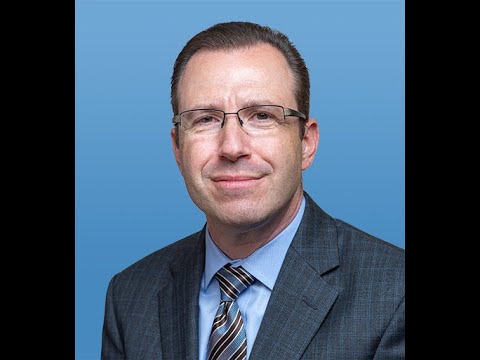
The Need to Defeat not Just Jihadis but Islamist Ideas with Ilan Berman
 Watch on YouTube
Description
20th century America defeated its Nazi and Communist adversaries both militarily and ideologically. Twenty years into the “War on Terror,” however, military victories over al-Qaeda and ISIS leave little motivation to defeat the Islamist ideology in the war of ideas. As Indonesia, Central Asian states, and Morocco show, that is both possible and desirable. What lessons can America learn from them and apply on its own?
Transcript Automatic captions
Source: Automatic captions from YouTube, retrieved November 6, 2026. Automatic captions are machine generated and may misspell names and terms; check the video before quoting.
0:00 hey good afternoon welcome to the middle east forum speaker webinar series and i'm stacey roman and i will be moderating this discussion today we are pleased to have alan berman senior vice president of the american policy council join us to discuss the need to defeat not just jihadis but islamist ideas mr berman will speak for 15 minutes and open it up for questions should you wish to ask a question please use the q a box located at the bottom of your screen to type your question and with that i will turn the discussion over to mr elon berman thanks stacey uh this is great uh i appreciate the opportunity to be back thank you so much the middle east forum uh for hosting me uh and in particular for allowing me to talk about a topic that's near and dear to my heart um so here's the 30 second shameless plug the genesis of this talk the idea behind it comes from a new book that i just uh put out it's called wars of ideas uh theology interpretation and power in the
1:02 muslim world it's a project that i've been working on a couple of years now and it brings together some some really top-notch scholars to look the different soft power responses to uh islamist ideology that are now percolating throughout the the muslim world so uh with your indulgence i want to talk for a few minutes about um sort of you know what the questions are that the book tries to answer and maybe sort of uh with uh bring out some takeaways um from this project um so the genesis of this uh project was essentially an attempt to answer two different ideas uh or to respond to two different the first is that we in particular we following the collapse of the islamic are not following the uh jihadi the islamist emilia properly um we've been so tunnel vision so focused on uh defeating the isis caliphate in iraq and
2:04 syria that we haven't really sort of followed the issue after or i haven't followed it properly after um the you know we we declared military victory uh in the spring of 2019. um and the uh thing is that uh second uh issue is that we are not properly contextualizing the battlefield um we are enormously effective in the kinetic arenas of um the us military certainly uh you know has no uh no peer or equal in terms of uh the lethal capabilities they can bring to bear and that's why we've begun to address uh the issue of counterterrorism largely through a kinetic lens we we tend to think uh a great deal about uh battlefields like afghanistan and syria and iraq and stack whether or not we're doing well uh in those places uh when in fact the the real action as it were is uh in the realm of ideas in the realm of islamist ideology and we're not paying sufficient attention
3:08 to how the jihadi message is whether it's gaining resonance whether it's declining in appeal and those metrics are enormously important to understanding the future of the counterterrorism fight with your indulgence i want to just walk through for a few minutes i want to walk each of these points um and the discussion really starts i think uh in the context of uh understanding the contemporary counterterrorism environment because uh the previous administration was very focused tunnel vision if you will uh on defeating the islamic state physical presence in iraq and syria uh constricting and then eliminating its territorial capability and to its credit it succeeded in doing that uh with the assistance of the 82 uh global coalition to defeat isis um uh this uh sort of the environment that afterwards sort of reminds me of this famous quote that
4:09 former cia director jim woolsey uh told congress uh in his confirmation hearing in 1993. uh he was talking about the end of the soviet union and he talked about how uh we have slain a dangerous dragon but now we find ourselves in a garden with poisonous snakes and i actually think that's a really good analogy to sort of to think about or to keep in mind when we think about the sort of the current jihadi milieu because what we're looking at is at least four distinct trends uh that are going to define the counter-terrorism fight over the next several years the first is the persistence of the islamic state uh isis is down but it's most definitely not out and what we see is uh a uh the end of what officials have taken to calling the end of the caliphate era the end of the uh physical presence of the islamic but what you're actually seeing is you're seeing a uh sort of an adaptation and an evolution of the organization
5:12 uh built around three things the first is continued resources uh the islamic state made the lion's share of its capital uh when it was a state by acting like a state uh it would tax the captive populations under its control uh generating something on the order of two billion dollars uh annually in revenue uh making it the the best funded threat group in world history um so that source of revenue has uh has as we've progressively lopped off territory and eliminated territory that isis can control but what we're seeing instead is that isis is still estimated to possess hundreds of millions of dollars and continues to generate a steady stream of revenue uh via informal networks such as hawala ongoing illicit activities such as antiquities trading and illicit oil trading and so the group has enough money i would argue more than enough money to field operations on a smaller scale on an ongoing basis
6:15 the second uh facet of the contemporary isis problem is continued manpower uh in the middle of last year in the middle of 2020 uh the un's counterterror counterterrorism chief uh vladimir varonkov disclosed uh the estimates that he and his team had at the time which was that isis was believed to have ten thousand active fighters remaining in iraq and syria alone and there are thousands more attached to isis affiliates in places uh like west africa so what you actually is that while the global coalition has uh significantly eroded the human uh in the islamic states caliphate in iraq and syria you've actually seen a sort of a scattering of sorts and that gets me to sort of to the third point the third trend line you're seeing is that the islamic state is migrating to new theaters is taking advantage of new sort of empty political the we're seeing the islamic state uh croc crop up in places like north
7:19 africa increasingly migrating into uh central africa and sub-saharan uh you're seeing a sort of a surge in isis-relating activities in south asia and southeast asia and so what you've actually seen is this sort of the scattering of the islamic state as uh its fighters out-migrate from iraq and where they they're put under pressure um and uh sort of you're seeing the islamic state reposition itself globally so that's the first trend uh i think of note that we need to take into account when we think about counterterrorism the second is the idea of a resurgence of what i would call local jihad so a little bit of history is an order here in 2016 the united nations estimated that nearly three dozen separate radical groups had made common cause with or had pledged allegiance to the islamic state all of these factions have been uh deeply affected by the decline of isis uh but almost without exception all of them
8:21 still exist and still operate and that's because uh all of these groups were independent entities first and still retain autonomous personnel and infrastructure and operational and what you've actually seen is that these affiliates have become unmoored and they've sort of reverted to type and they've gone back to their original theaters of activity and although that activity a lot of it is still being carried out under the isis banner it's more locally and regionally focused and conducted in the service of the objectives of those groups rather that of the larger islamic state so don't let the hype fool you this is much more of sort of has become much more of a local problem in places like the lake chad region in places like indonesia and the um even though there are overtones of global jihad this is actually uh these groups acting the third trend uh of note of enormous strategic consequence i would argue for um the united states in the years ahead is
9:24 that we're now witnessing a more arab polity to exclusionary islamist islamist ideas are receiving a warmer reception than ever before among the publics of the arab world and there's a simple reason for this it's that the arab populations are tired um i'll give you an example of what i the middle east north africa region is overwhelmingly young in composition among the 17 arab countries of the of the region or of the two regions the median age currently stands at 26. so if you sort of think back historically what this means as a practical matter is that the majority of the region's population has lived all or most of its life in a state of conflict and the resulting yearning for calm that's now evident among broad swaths of the arab world helps to explain why authoritarian models of government including islamist ones uh have such enduring appeal in the region now we're seeing heartening signs that this is not a monolith uh the peace agreements uh
10:25 between the normalization agreements between israel uh and uh the arab states of the persian gulf are certainly a trend line in the opposite direction but in many many places still you're seeing a tremendous amount of resonance uh for islamist ideas and this affinity this resonance is being exploited by groups like al qaeda uh for example which has set up uh fairly sustainable local governments uh in parts of yemen for example and then we get to sort of what i would argue sort of the biggest ticket item the most important one which is that the jihadi message is still resilient today despite the collapse of the isis territorial caliphate in iraq and syria the dynamism of the group's message is still undiminished there's really uh and i sort of i proved this out through repeated conversations both virtually and then in person um with officials throughout the uh the middle east and north africa over
11:26 the last year and a half there's really substantive change to patterns of recruitment and radicalization and in the broader muslim world and this is not just in the service of the islamic state other extremists have also learned uh lessons that the islamic state provided by their path-breaking model of exploiting social media exploiting broadcasting adroit messaging and they've upgraded their own messaging and and that's why you're seeing greater emphasis on soft power messaging from groups like boko haram in nigeria from groups like jamaica mia in southeast asia and the key equalizer here is technology technology has what what i would argue lower the bar of the barriers for entry um for these organizations new media in the form of social media networking apps online forums has given the global salafi jihadi movement far greater reach and resonance than it
12:28 would otherwise have so that's the problem and it begs the question what's the solution and here the united states finds itself at an inherent disadvantage because we don't have the standing to weigh in authoritatively on islamic thought and ideology but we also are not alone in this fight and that's sort of the crux i think of of my argument in the book wars of which is that uh what you have is a series of different models of comparatively tolerant islam that exists throughout the muslim world today uh which are all engaged in confronting the same problems that this sort of this adapting counter-terrorism environment uh or jihadist environment and are responding to it in different ways some examples here are countries like morocco which has built a comprehensive national strategy uh underpinned by the authority of its to discredit extreme ideas in the media edu and education uh in everything from
13:32 school curricula to uh the scripting of television programs um you have indonesia where moderate mass religious movements work in tandem with the state rather than an opposition to it and sort of create the the proper nexus between nation state and religion uh in jordan where uh the hashmate kingdom blazed an early trail in crafting tolerant religious ideas into a cohesive message for the muslim in the emirates which has used its resources and authority to spread a coexistence culture which abu dhabi is now actively exporting and there's lots of lessons that flow from this about the need for a whole of government approach uh the need for uh sort of to emphasize allies that balance state and religion uh as an antidote to islamism as a counter-state movement um in the need for uh most of all for guiding principles uh because what you have right now is a disaggregated
14:35 community of muslim nations that are all working towards the same purpose that are all essentially confronting the same but they're all doing it in different ways and there is a job ahead for those of us uh sort of who want to take it on uh about uh revolving around unifying them bringing them together trying to draw out common guiding principles that would allow this this community to become more than the sum of its parts so i'll stop there all right thank you so much we have quite a few questions coming in the first one from yosef tiles we're talking about defeating the ideological ideology of islamism uh is there a difference between islamists and islamic and between islam and islamism in terms of counterterrorism sure well this looks uh super controversial question and uh you know and i i think it's it's useful to talk about uh i can only tell you sort of how how i define it how we at the american foreign policy council define it we tend to look at islamism as uh active attempt to uh impose
15:41 uh sharia law islamic law as a political exercise on a local regional or global and what that actually does for uh as a sort of as a clarifying concept is it shows you that there are different varieties there are different groups but they're sort of all working towards the same general purpose so for instance uh the uh justice and development party of of turkey is certainly very different al qaeda but it has as its terminus ideological terminus the imposition of islamic law it just has different by which it wants to achieve this it's participationist it wants to work within the turkish system and slowly change the turkish system whereas al qaeda wants to overturn the table but i think there's a continuity there and it's sort of useful to think about it in the context of islamism as a political exercise right which is distinct from islamic right which has you know islamic cultural connotations sociological but what we're talking about here is a political project thank you so much for that differentiation uh from francois lembon
16:45 uh with the dismantling of the local isis caliphate the spreading of islamic islamist ideas seems to be in serious decline in the north america u.s and uh we see much less recruiting efforts at least do you agree no i i think that's right and and uh there is certainly a sense uh that uh islamist elements uh in certain places right and i would sort of argue in the western hemisphere western hemisphere is one of them are on the back foot but that doesn't mean they're on the back foot globally and uh one of the interesting things is i always sort of refer to this colloquially as what i would call the willie sutton rule so for those of you in the audience that sort of that know this willie sutton was a famous bank robber uh in the early 20th century that ran a string of robberies throughout uh ohio and pennsylvania and you know i think a couple other states and when the fbi caught up with him uh they asked him a simple question why do you rob banks and his answer was it's because it's where the money is so i think uh so i link i tend to link uh recruitment to demographics more than
17:50 anything else and that's why i tend to think that the next great frontier for this conversation for this sort of counter-terrorism fight is going to be africa because africa has is uh continentally has the youngest population in the world i think the average population in africa is 19 years um and the population is set to double uh by 2050 and so if you're a group like the islamic state a group like al-qaeda or even sort of smaller regional actors what you're looking at if you want to expand your recruitment base you're going to be looking at you know where the people are and that's going to be africa to a lesser extent central asia as well but i i think africa is going to move very large sort of in our in our horizons in the thank you this question is from alex what about islamist ideology percolating leftists and wolk arenas of society as well as amongst muslim populations right and by the way i think this is precisely why um harness properly harnessing uh these exemplars of sort of moderate uh
18:55 islam or sort of you know more moderate islam in the muslim world are so important because uh in the absence of this clarification from the muslim world themselves you know that groups like the islamic state groups like al-qaeda groups like hamas and they don't speak for us um it had you know that narrative has the ability to be hijacked and weaponized by sort of other ideologies and we're sort of seeing this sort of conflation uh in the context of for example the recent uh israel hamas war where there's a lot more resonance frankly than there should be to hamas but if you look at what these countries like morocco and tunisia and others are about this uh you know the they're actually saying a very different thing uh the emirates uh sort of came out in front and said that you know unless uh hamas stopped this conflict uh immediately that that they would rash it back almost entirely their age of the palestinians and i thought that was an important barometer of the fact that you know the narrative may be the narrative
19:56 because uh we're in america and all everything is political currently um but in reality in the muslim world these things are being perceived in a very different way they were before and i would chalk that up to um the fact that these countries are becoming more uh more confident and more sort of self-aware of what other countries are doing thank you this probably should have been a follow-up to the previous question jacob hershman asks how far south do you believe the islamic state in africa plans to go well that's a really good question and in the before time before the pandemic when we were like free to travel um i was already hearing officials in places like morocco that they were seeing this migration the southward migration of the islamic state so the history here is is important um isis long before the isis caliphate was under assault by the global coalition was already talking to foreign fighters that hadn't mobilized yet as part of its recruitment efforts that they shouldn't travel
20:57 to iraq and syria they should actually travel to libya uh libya would be sort of the fallback position the important front um and so you actually saw this very important secondary flow of foreign uh who wanted to join the islamic state but they were sort of taking a detour and they were going to libya and so that's why uh as early as a couple of years ago you're already hearing north african officials say what we're actually worried about is we're worried about this southward migration this migration from north africa down to sub-saharan africa because that would allow these groups and these elements to link up with local jihads for example that of boko haram in nigeria uh the instability around the lake chad basin uh things like that so my sense is that what you're actually looking at is you know uh the the sort of uh the jihadi current may never reach south africa uh in sort of in a meaningful fashion but you're certainly gonna see i think in the next couple of years you're gonna see much more of a presence in central africa and in fact you're already beginning to see it in this upsurge of islamist activity
21:59 that you're seeing in mozambique for example which is in central africa so thank you so much from peter chu though the ideal ideology of soviet communism was defeated under putin it arguably arguably sorry does still live on and continues to be a threat to the west because putin wants to recreate a form of soviet greatness is there some way in which islamism similarly could be defeated yet metastasized and continued to be a well i think so um and and certainly that that was you know my chief uh for the trump administration was not that they weren't serious about because they had clearly sort of allocated the proper resources to fighting the islamic state it was what came after um and the question that the trump administration didn't answer to my satisfaction during its time in office and the question that demonstration hasn't taken up is what happens next meaning we understand uh we can all agree that the islamic state is a scourge on humanity and it needs to be dismantled these other groups are more
23:02 controversial more divisive are they our problem or are they somebody else's and increasingly now i'm sort of more and more pessimistic that we're going to default to the position that there's somebody else's because we have a lot of fish to fry um you know we are sort of uh beginning to pivot uh to take on great power competition with china there's less and less bandwidth or interest in the middle east and north and so my sense is that uh you know that creates ample political space for these organizations to regroup for the ideology to remain salient and that's why those trend lines the trend lines about increasing arab uh increasing uh ideological messaging from these groups uh are so important and so resilient because as we turn our attention away these guys still have their eyes on the thank you from kerry hildebrand uh what what is the extent of ties between hamas and hezbollah with islamist state so i i think that's a great question um there is a tremendous amount of bleed um and again right sort of in my
24:08 uh we have to understand the demographics of the muslim world in which uh 85 of the muslim world are sunni 15 are shiite and so you know by in essence right the bulk of our counterterrorism um tends to be focused on sunni groups but that doesn't mean that there isn't a role for uh for shiite groups uh iran is after all the world's leading state sponsor of and groups like hezbollah which are benefit tremendously from iran's largest but so do sunni groups because iran is pragmatic in terms of how it spreads its money around and so uh hamas palestinian islamic jihad other groups also benefit which are sunni also benefit from iranian support and that's why you see sort of the blurring of the lines between these organizations it's i think comforting for a lot of analysts to talk about a competitive environment between these groups right these groups never collaborate this group can never but the reality is actually very different uh you know you go back you know uh quarter century and you'll find evidence that
25:11 um the uh in the 90s that al qaeda received elements of al-qaeda received training from uh hezbollah in bomb making right these are things that you can find sort of in the open source and affidavits and things like that but it also uh suggests that uh these organizations may be ideological but they're also very pragmatic and so you're seeing a lot of between iran and these groups but also among these groups themselves thank you so much from richard how can we effectively counter islamist ideology when it seems that nearly the entire world even supposedly fact-based organizations spread the rumors that israel is an apartheid state is ethnically cleansing palestinians and aggro aggression i can't sorry i wear glasses um even more crimes in the recent gaza conflict can these two things be separated so so i think they can be and i actually think right so i i think the the problem set that we have with regard to
26:14 um the demonization of israel sort of the the lack of proper context in terms of the the sort of the threats that israel is and the problems that we face more broadly from extremist groups um are separate right they're interlinked they're points of connectivity but i i think frankly the sort of the biggest takeaway for me for doing this sort of these two years of research has been the degree to which seriousness governmental seriousness is necessary right and and you sort of see this in the countries that have done best in the muslim world in countering um islamist ideology and really putting islamist organizations on the back foot limiting the space for islamist ideas to grow in their body politic it's an effort that isn't just done by one department or one agency it's an effort that's done by a whole of where the government makes it a major national priority to shape the contours of discourse and here we have a problem right we don't have standing in this discussion and so by nature the way we've responded to
27:16 counterterrorism is a piecemeal endeavor mostly military uh sort of as you know um but in the muslim world what you see is uh in places like morocco in places like indonesia what you have is a whole of government approach and these are the countries that have been the most successful in the empty political space that islamists need in order to thank you so much from gary rappaport uh hamas and to a large extent the plo preach the quranic mandate to not tolerate a state of non-believers like israel and the middle east their propaganda is being picked up and repeated in american politics uh by people of islamic origin examples how do we educate the american electorate about what the intentions of hamas and the plo are and how how they are driven by islamic ideal regarding even making peace with israel right well no i i think that's a crucial question and it's frankly it's a question that the the white house is going to be forced to grapple with
28:18 uh the administration uh is interested in pivoting into a deeper discussion of palestinian politics but it's going to run aground on top of congressional initiatives for example the taylor force uh which make it difficult to uh provide aid to sort of to have interaction with groups that are designated as terrorists or even with the palestinian authority fully uh while the palestinian authorities and continues to be engaged in things like pay to slay um what i think is interesting and uh you know smarter minds than i are going to have to come up with the answer to this question is to the extent to which the palestinian can be disaggregated from the islamist one right because they're not necessarily totally the same thing and the more we have a unified right america and its partners have a unified response to islamist ideas the more we can shape the contours of that smaller palestinian by demonstrating both to the palestinian authority and to hamas what type of discourse is acceptable what type is not
29:22 i think the two are connected i don't think they're necessarily causal understood and in our last minute here can you just give us a brief take away of what lessons you think the the us are a reiteration of the lessons you think the us should apply going forward yeah no i i think that sort of to me the the the key one is sustained focus um we tend uh right our foreign policy is rife with examples of us achieving a strategic objective and then losing the peace right walking away turning our attention to other things and that's what i fear is happening now in the counterterrorism field where we're increasingly pivoting to great power competition as a nation uh and paying less and less attention to counterterrorism we're increasingly uh not taking seriously the concern the security concerns and the sort of the ideological concerns of our allies and partners in the middle east and north africa about what they're confronting regionally and in uh sort of in terms of what we've identified as our priorities for the middle east like for example re-engagement with iran we're actually
30:24 actively doing things that run counter to aiding them in this and i i think this contest is right as jamulsi who i referenced before as he said this is the long war it continues to be the long war and uh continues to be the long war whether or not we're paying attention or not and so my hope here is that you know this is sort of this book and sort of our larger projects have been able to provide some sustained attention on us wonderful thank you so much and for our viewers who came late can you just tell us again the name of your book and uh where we can find it i can show so wars of idea wars of ideas uh theology interpretation and power in the muslim world you can get on amazon i hope you do um it's uh i can't take full credit for it i can i only conceived of the project but there's some enormously talented scholars that write about everything from uh the central asian model of balancing state and religion uh all the way to the sort of post uh salafist trajectory of saudi arabia
31:25 uh enormous food for thought and uh a worthwhile contribution to this uh all-important debate wonderful thank you so much unfortunately we've come to the close of our webinar thank you again mr berman for speaking with us today my pleasure thank you of course for our viewers and listeners please join us wednesday at 3 p.m eastern for an update from ashley perry thank you all for joining us and i hope you have a great