
Webinar or Talk
Sudan’s Dramatic Transition and What It Means with Faith McDonnell
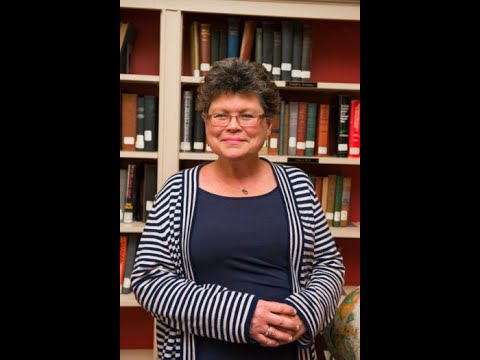 Watch on YouTube
Description
Omar al-Bashir dominated the Sudan from 1989 until April 2019, imposing Islamism on Sudan’s diverse population. The past 1½ years have seen Bashir’s dramatic overthrow and a transitional government attempt to establish a secular state and a pro-Western outlook, including even talk of diplomatic relations with Israel. How is this radical shift going? What has become of the country’s several ethnic conflicts? What role should Washington play?
Transcript Automatic captions
Source: Automatic captions from YouTube, retrieved November 11, 2026. Automatic captions are machine generated and may misspell names and terms; check the video before quoting.
0:00 hello and welcome to the middle east forum speaker webinar series i'm stacy roman and i will be moderating this discussion today we're pleased to have faith macdonald director of the institute on religion and democracy's religious liberty programs and the church alliance for a new sudan join us to discuss sudan's dramatic transition and what it means faith will speak for 15 minutes and open it up for questions should you wish to ask a question please use the q a box located at the bottom of your screen to type out your question and with that i will turn the discussion over to faith mcdonald thanks so much stacy it's wonderful to be here with you all and uh i i love the work that the middle east forum does i'm very honored to be speaking uh and should be speaking about sudan um there's so much to say about sudan i'm gonna try to cram it in you know winston churchill said that russia was an enigma inside of a mystery or inside of a riddle something like that sudan is too but uh something that on september 3rd uh could have the
1:04 possibility of changing everything for the better um on september 3rd just a little a couple of weeks ago it was the biggest move towards freedom and democracy in sudan since the ouster of omar in april of last year 2019 when when two men uh the prime minister acting prime minister of sudan abdullah and the commander-in-chief of the sudan people's liberation army slash movement in the north general abdel aziz adam el hulu signed a joint declaration of principles um this uh there have been incremental changes going on in sudan before this um there have been things that we've already congratulated sudan on like um getting rid of female genital mutilation and banning it i mean i think that's a wonderful thing to do banning apostasy laws all of those are great steps but this one this joint
2:10 declaration of principles is the biggest step yet and um it did not take place inside the peace talks that have been going on between the government the transitional government of sudan and the rebel movements um the the splm north uh general abdelaziz they've insisted on a joint declaration of and let me just before i go on let me tell you what this joint declaration entails because uh it's just so um i wrote an article about this for our blog juicy ecumenism.com right after it happens and what what hum and and el hilu signed includes number one recognition and accommodation for sudan's racial ethnic religious and cultural diversity boom that in itself is a huge thing because in addition to uh religious
3:11 persecution and religious repression uh for decades and decades centuries actually um sudan has also had racial discrimination racial oppression on the black african ethnicity groups in sudan so for this to is a big deal recognition and for all of sudan's people groups complete political and social equality of all people guaranteed by law another big one and then the real big a democratic state with separation of and state or alternatively the right to this is something that commander abdel aziz general of zelazis has has insisted on for years um and uh he's a friend of mine so i i know the background on this and he has been an annoyance to those diplomats who have been working on peace
4:15 in sudan for a long time including our own state department um including all the peaceniks and appeasers who who wanted a peace agreement but one that really didn't mean anything when it came to allowing true religious freedom and equality of all people uh so so general aziz has been asking for this from the beginning and would not participate in the other peace talks um the nuba who he he commands he's from the nuba mountains and this this uh um democratic state with separation of religion and state or the alternatively is for the nuba people and blue nile state to have a right to if they're not going to get equal footing in sudan uh under under the law then uh this joint declaration says they have a right to self-determination abdelaziz and the nuba uh spla fought with the south in the first
5:20 war and that's why they were actually victims of genocide as much as the south and as darfur have been and since the separation of sudan and south sudan they have been victims of genocide once and if it had not been for the sudan people's liberation army fighting to defend the people of of the nuba mountains they would have been all dead um but the that spla north um has fought and actually won every ground battle the the government of sudan's islamic jihad forces that they've been in it's only when there have been air aerial bombardments which have gone on for years that they have not won so they had they had that strength um and so this this agreement was again as i say by abdel aziz and by prime minister humdak in in addis not in juba where all the other peace talks have been taking place this is two men of integrity uh and who desire real religious freedom
6:24 and secular democracy and equality for all the people of sudan so uh let me finish the declaration of principles though another part of it is self-protection until there is separation of religion and state until it's actualized then the nuba and the blue nile state people get to protect themselves okay they're not going to take the weapons away from spla north um they're going to be able to protect their people until this happens then uh finally cessation of hostilities on both sides and appropriate and fair sharing of power and wealth among all peoples of sudan included in the constitution so these are really just ground-breaking developments um and of course it's a it's a paper declaration that says this is a joint declaration of principles so you know only the lord knows what will happen in terms of fulfilling it
7:25 but this is the most optimistic i've been in 25 years of being an advocate for sudan um this declaration of principles says all the peace agreements going forward now have to include these principles so with with abdelaziz and humdak going back to juba this is what's happening um and this is good for all sudanese even though it it's it's especially good for nuba and blue mount blue nile state because they were the people getting slaughtered this is good for darfur this is good for the bija in eastern sudan it's really good for all sudanese to these principles um so uh i'm i'm very happy about this and i think that we need as a country as a government as the us government to stand strong with the people of the nuba mountains with the joint declaration we need to congratulate um prime minister hamduck for being courageous enough to do this i mean
8:28 abdel aziz already had a fatwa against for uh defending the nuba mountains um but this this is going to not go over with some of the islamists in khartoum probably has already not gone over well with them um but hamdak is a good man and we as a country as a a government should congratulate him congratulate and acknowledge the of abdel aziz adamel hilu who we've called you know rebel leader um he is a a wise and just leader and we should be supporting them you know uh support the people who believe in democracy um there are other so-called opposition groups in sudan um who really don't believe in true they just want to kick the uh that they wanted to kick um omar al-bashir out of the way so that they could get back in again including sadiq galmati people like that um and if the u.s uh has this inclusive
9:33 policy where we say you know oh we have to listen to the um the desires of all sudanese even the sudanese who don't want other sudanese to have freedom um then we're shooting ourselves in the foot and we're shooting the people who want freedom in the head i'd say um so we we really need to support this we need to um encourage them in in going forward on this and say to sudan you know you've you've really done well this is something that that the united states and of course we should not um lift the sanctions on sudan until it becomes reality in the past and you know as i said i've worked on sudan advocacy for over 25 years when sudan promised something we would do something in response they would make a promise with their mouth and we would do something huge in and then it wouldn't happen so we need to be strong
10:36 and the people of nuba mountains and and blue nile state have asked for that and the people of darfur as well who are still being attacked by the jihadis who were part of sudan's government under omar al-bashir so we need to be strong and say no lifting of sanctions until we see this happen um and that is what the nuba have asked us for they have asked us to uh uh this great joint declaration and also to do this um it reminds me of back when before the comprehensive peace agreement came between the north and the south we had the sudan peace act passed in the government that became law in 2002 and um we also in 2001 when they were working on on the um the peace act um we
11:39 appointed the first special envoy for sudan that was former senator john who was appointed and installed in the rose garden by president bush on 6 2001 well five days later things got much more uh complicated but but danforth was an special envoy and the first thing that he did to to show that both sides were determined and committed to peace was to have benchmarks that included a in the nuba mountains and again if he hadn't done that the nuba could have been wiped out because they were a particular target of of khartoum's wrath because they had sided with the people of the south and fought against khartoum so i'm reminded of that time and of danforth saying hey we're not going forward
12:41 on this with you cartoon unless you meet this benchmark and um have a peace so i would say we need to do the same thing going forth we need the u.s government to this peace and to really uh stand strong with people who want real and democracy um and you know that that's about it for now oh i will tell you um religious freedom uh again this this would involve religious freedom and my friend uh the bishop of the nuba mountains the anglican bishop of the nuba mountains said of this that nothing like this has been in sudan for 500 years there has not been religious freedom for all people in in 500 years and what he's going back to is the kingdoms of nubia that were in 500 years ago so this is a big deal
13:45 it goes back uh 500 years before you hit that kind of religious freedom again so thanks a lot thank you so much and speaking of going back the first question we have is can you give a little background on the situation of sudan prior to the signing of the joint declaration of principles just to highlight then and now okay i'll try um well uh what happened in april was that omar el-bashir april 2019 was ousted after something like 30 years of of being the the the the tyrannical president of south of sudan um as uh under the party that was called first the national islamic front then they changed the name to the national congress party but sudan uh has been under islamic rule wanted to have a totally islamic state totally arab islamic state that's why i say it's very
14:46 important that there were um uh in the declaration of principles they talk the um the all cultures being equal the indigenous people of sudan are ethnicity black african ethnicity and yet they have been treated like second-class citizens for for decades um so this is this is a very big deal um you know you can go back the nuba as i said fought with the south because the south was trying to get freedom and both of them really stood as a buffer between the forces trying to push radical islam throughout all of africa so um they they really they a lot of them sacrificed their lives to keep the radical islamists from taking over all of africa um and you know sudan some people don't know this how big a deal sudan has been but sudan really has worked with in those days worked with
15:47 the terrorists worked with the islamists i was actually in uh a press conference about sudan's connections to terrorism on september 11 2001 in the the um rayburn house office building when the planes hit and it just seemed very ironic that we were talking about needing to stop capital markets that we're doing business with sudan because of that so yeah let's see a free democratic secular sudan that would be incredible well thank you how did the islamists lose power such that the prime minister could do such a thing and is this related to sudan's warming towards israel i hope so i think that that's great i think that the warming of israel comes because the islamists have lost um they lost power i'd say first and because of the the military and and and strength uh of people like the sudan people's liberation army in
16:50 the north they knew they were never going to win against them um as i said um the the spla north won every ground battle they didn't even have a lot of weapons but when they started fighting against the uh forces of sudan soldiers would drop their weapons and run the other way or they would capture soldiers and get more and more weapons that way so um all of that happened for years before the people in khartoum started protesting in the streets but that's what everybody knows about they know about the peaceful protests which really did make a big difference um but there was a lot of ground prepared and a lot of um fighting that went on before that happened and then um all throughout the end of 2018 and through the beginning of 2019 there were protests that were viciously attacked by the government of sudan by bashir and his people um so i think you know all of that worked to get bashir out
17:52 to get the islamist position weakened and to um you know hopefully bring about a real relationship with israel too thank you do you see a reunification of sudan and south sudan in the future no um i believe that the people of south sudan have a nation they fought hard for that nation they deserve that nation and justice the nuba have said if we don't get the equality that we need then we should have self-determination that they were supposed to get it when the south got it um but the south got it i could spend hours talking to you about south sudan and what has happened to south sudan but we don't have time for that now but no we need to we should support south as a sovereign nation when rebels from inside south sudan who were funded by khartoum have fought against south sudan instead of calling it
18:55 um two warlords fighting against each other which which uh the obama government did beginning in 2013 when that happened um we should have supported the sovereign nation and the sovereign government sovereign president of south sudan so we we did wrong there i think speaking of the nuba can you tell us what the majority religion is the number are about 50 christian and 50 muslim there are some that are also um uh the uh nuba religion you know ethnic ethnic religions but mostly christian and muslim in the same families have always lived together in um go to each other's holidays go to each other's um uh family things so uh it's been it's been like that uh and it was only the pushing of khartoum that pushed radical islam um and islamization um it was more
19:58 like just a cultural uh islam the the muslim nuba are and they have nothing against the christians um and um you know have lived together so hopefully it can be that way again thank you so back to the south uh there are an estimated 30 to 35 000 slaves still in sudan taken in the jihad against the south in the war that ended when the south established south sudan does this agreement affect them in any way and if not what can be done wow that's a great question um i actually worked with a wonderful for south sudan called charles jacobs during uh the south war with the american anti-slavery group and we we did uh help to bring awareness to the the enslavement of of um the south uh this is again part of the i think the way it it's impacted is because abdelaziz
21:01 made sure to put in that agreement that sudanese of all ethnicities would be so you can't say that someone who is a black african sudanese is is equal if they're a slave um so i would even see uh somebody as gutsy as abdelaziz going forward saying part of the this joint agreement of or declaration of principles should include that we uh find a way to bring all of those slaves back if they want to be you know some uh i may not want to be i don't know why they wouldn't but there are there are some have gone on um but we should at least find out what has happened to everyone you know it wasn't just to the north of sudan it was to to the arab world um really uh devastating of families so uh that's a that's a great great thing and you know if i get a chance to talk to abdelaziz i'll say hey let's
22:03 let's put that in into the mix oh that's great um can you actually explain some of aziza's background which led him to this positive future promises ah well abdel aziz is a wonderful man he's he's he just i love him he he has been a commander of the spla north ever since the the splitting of um before that he was a commander of the spla in general when it was one spla for the whole country um he fought with uh john garang who was the first president of south sudan um who died in a very mysterious helicopter crash right after the comprehensive peace agreement was signed um but abdelaziz has always had the back of the south and um as a result the the north came after the nuba mountains as well but um he he is just he's a
23:06 i guess you could call him a jeffersonian muslim he believes in you know complete religious freedom for all people he rejoices in people's uh choices even when they choose to change their um he is uh he's a great man and he has protected his people for so and stood like i said even when the u.s like putting a lot of pressure on him why don't why don't you join the peace talks why don't you you know just give in on this but he's he protected his people and now um i i called in my article i called this the september surprise because nobody saw it coming and i think the diplomats are a little annoyed that hum doc and abdelaziz did this on their own but bully for them oh you keep leading me right into the next question so the next one is the u.s tried many times to bring democracy to muslim countries and failed do you think this
24:08 will work now um well because the the actual people are doing it themselves not the u.s um and when the us has tried um you could say at times we haven't tried hard enough i mean when what with iraq we allowed there to be sharia law in the constitution which um you know just unraveled every good thing that was happening i think um we have uh we have been too politically correct um even though we have done wonderful things you know i mean the people in south sudan still just say thank you to the us for bringing about the the creation of south sudan and for helping them with um we've done great things but we're we're never willing to go the last step so i think you know even when the people pushing on bashir i'm i'm just glad i'm just glad that president trump was in office when that happened because
25:10 i don't know you know i think back to the iranians and the green revolution and how uh our government at that time condemned to the people and said we stand with the government uh you know uh for for keeping civility and all that um so this time um we were there and i think we did we helped a lot but we need to help to uh them to do what they need to do and especially those who are fighting for religious freedom and secular democracy thank you how was the relation of the ua to the sudanese government oh um i'm not sure right now all those relationships change around a lot it's um it's like one of those shell games where you don't know you know under which shell it is uh i think at present that the uae and this transitional government have a good relationship i haven't heard
26:12 anything to say that they haven't i think that a lot of arab countries are hoping that sudan does eventually transform into a civilian government without this half civilian half military because the military for the most part is what has caused the problems um so uh it would be great to have a civilian um government that again observes secular democracy and religious freedom you know that's that's the mantra that we've we've used for 28 years so yeah that's what sudan needs so you think that this will influence any other african countries um i hope so i hope it influences even more african countries to tell you the truth but yes definitely african countries um i think that it's to countries that do uh have religious
27:17 like kenya and uganda um to see you know that they they can maybe relax a little bit that khartoum isn't trying to uh spread the caliphate throughout africa completely now um and before bashir went out you know we had seen leaked documents from the khartoum talking about their plans including helping to move isis throughout africa helping boko helping al-shabaab all those things so with the change that happened with bashir even though you know that the islamists in sudan still want those things um my hope and prayer is that things have changed enough that that those things are not happening the way they were then they still need to be on the lookout for it in africa and um as i said you know a country like which is a mess right now and um uh it accuses people of blasphemy um
28:21 uh people you know christians who are accused of blasphemy are sentenced to and there was one case of a young boy who was accused of writing blasphemy on a mosque who was illiterate he couldn't even read and it didn't matter i think if if if other countries like see that you can act with rationality and logic and what's best for your country maybe it'll help them too hopefully and as we're getting ready to close up here can you just give us a little more information on where to find some of your work oh sure i'm at the institute on religion and democracy which is the ird.org most of our writing is on our blog which is called juicy as you would spell it ecumenism e c u m e n i s m dot com um i also write for for other publications as well but we try to put them all there so you can uh find them in one easy place
29:25 and uh yeah going forward we're just going to keep continuing to to uh support those the people of sudan that what who were called the marginalized people by the way even though they were about 73 percent of the country they're the marginalized ones so i think we need to get rid of that name hashtag no marginalized people in sudan and uh um come to to an equality uh that they haven't had wonderful thank you so much unfortunately we've come to the close of our webinar thank you again faith for you're welcome stacy great to be with you take care have a great week you as well thanks for our viewers please join us wednesday at 3pm eastern for our weekly update with ashley perry and thank you all for joining us i hope you have a wonderful day