
Webinar or Talk
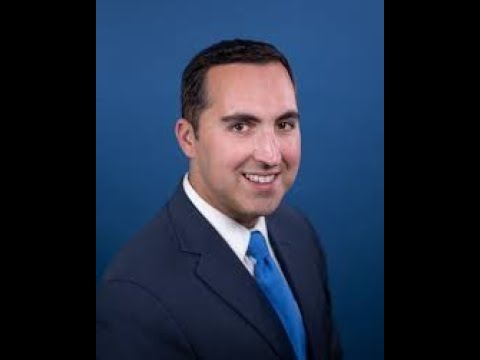
The State of Iran's Nuclear Program with Richard Goldberg
 Watch on YouTube
Description
Iran’s new president is a hardliner picked by the Supreme Leader to send a message to the West: we do not need the JCPOA. Simultaneously, Tehran has escalated its nuclear provocations – enriching uranium purity, producing uranium metal, and limiting monitoring by international inspectors. Despite this, the Biden Administration still hopes to rejoin the JCPOA. What happens next?
Transcript Automatic captions
Source: Automatic captions from YouTube, retrieved November 5, 2026. Automatic captions are machine generated and may misspell names and terms; check the video before quoting.
0:00 all right hello and welcome to the middle east forum speaker webinar series and podcast i'm stacy roman and i will be moderating this discussion today we're pleased to have richard goldberg a senior advisor at the foundation for the defense of democracies join us to discuss the state of iran's nuclear program mr global goldberg will be speaking for 15 minutes then open it up for questions should you wish to ask a question please use the q a box located at the bottom of your screen to type your question and with that i will turn the discussion over to mr richard goldberg thank you so much and thank you for having me thank you for everybody who's tuned in at this lunch hour on a friday to to talk about this very important issue i think for some level setting maybe talk about where we've come from over the last nine months and then to be able to lead up to where we are going today when iran entered uh 2021 it was not looking at a very bright future in fact according to the international monetary the islamic republic of iran was down to
1:02 just four billion dollars of accessible foreign exchange reserves at the end of 2020 due to the impact of the maximum pressure campaign of the trump what we have seen since then with the biden administration coming in is a loosening of that pressure campaign mr biden came in with the campaign pledge that he was going to go back to the jcpoa the joint comprehensive plan of action the iran nuclear deal's formal back in 2015 and he would offer to lift sanctions on in exchange for iran coming back into compliance with that nuclear deal they believed this administration that going back to this deal despite its many flaws that we've all talked about for years despite its already expiring clauses called sunset provisions that already started last fall and continue in the next few years that it would provide some sort of a basis to negotiate a longer and stronger importantly i think also as this
2:06 administration had taken over in january uh two other elements obviously of a maximum pressure campaign one was economic we talked about uh one was political in nature that is it within international organizations uh holding iran accountable for its violations of different treaties and commitments most particularly we look at the international atomic energy agency the un's nuclear watchdog based in vienna for several years now since the israeli prime minister benjamin netanyahu revealed to the world back in 2018 that the mossad had captured parts of a secret nuclear weapons archive that the iranians had hid from us during jcpoa negotiation there has been an ongoing investigation that has led the uh iaea according to its director general to find at least four uh sites that were previously unknown uh to the iaea where at at least three of those sites the iaea has found samples of uranium that have tested positive
3:10 with no answers from the iranians what were these sites what was being stored at these sites and where is the material or equipment or anything else that was now today we saw back at the un general assembly in 2018 when netanyahu showed uh it revealed that there was some sort of a warehouse where things were being stored we then saw some commercial imagery of containers and then the containers were gone and sanitization work going on at this warehouse some media reports have attributed that site to be called something like today we don't know what was at that site we know from the iaea presumably when you put the pieces that they have visited a site like that but they have found evidence of uranium being there they've apparently gone to other sites as well where they have found the presence of particles of no answers today of what iran has not but remind remember that this is in fact already a breach not of the jcpoa but of iran's fundamental obligations under the
4:15 nuclear non-proliferation treaty and its comprehensive safeguards agreement that it has signed long ago with the iaea to declare the presence of all nuclear material and sites where that nuclear material is being processed its failure to have a complete declaration of its nuclear program to the iaea is a violation of the breach of the npt and is really underlying to show us a nuclear deceit that really informs the weakness of the jcpoa built upon it it's impossible to have assurances and verification of a nuclear program lacking complete declarations of that nuclear program and we know the flaws of the jcpoa not only did they clearly not know there was a secret nuclear weapons archive or several sites that may have contained nuclear activities and today we still don't know using the jcpoa's tools where different nuclear material or activities are today but we also have known that the iaea
5:18 does not have any access to military sites nor does it have any access to sites controlled by an organization called the spnd which has long been engaged in the clandestine work of nuclear weapons and we saw it's uh its head the former founder of iran's nuclear weapons program most in face a day assassinated just last year we move forward as well in the military realm deterrence obviously if iran does not believe there is a credible threat of military action from the united states or other countries to deter its aggression in the region to deter its quest for nuclear weapons then iran will feel free to go forward across what we have previously believed might be red lions for the international community that is true in the nuclear realm it's also true in the realm of terrorism and asymmetrical warfare under the trump administration that sense of deterrence was finally restored after the killing of constant solomoni and so we saw that while the iranians
6:21 were incrementally expanding their nuclear program during the trump years to try to gain back some sort of leverage to create political pressure on the trump administration to back down from the maximum pressure campaign they never went far enough to provoke the europeans for example to embrace the snapback of u.n sanctions at the security council to collapse the jcpoa it never went far enough to really prompt discussions of military action all of that changed as we started transitioning from president trump to president biden with a pledge to go back to the nuclear deal and it really was if you look starting in early mid january once the iranians felt comfortable and secure that donald trump was leaving office and was politically constrained from taking any sort of military action they crossed the rubicon and started to enrich up to 20 percent level of purity something that had long ago been viewed uh as very alarming to the international community and something that would prompt uh u.s and allies to go all in at the security council to reimpose
7:25 on iran that didn't happen in fact once the buy demonstration took office it was very much a pullback on every single one of these lines of effort of pressure and in fact a transition from maximum pressure to maximum deference to try to give room give breathing room to the iranian regime to encourage it to come back to a negotiating table and come back to the in the economic realm sanctions stop being enforced they're on the books today but they're not being enforced and we saw chinese imports of iranian oil skyrockets revenue going up and it wasn't just the non-enforcement of sanctions which of course is itself sanctions relief but it was also actual sanctions relief granting waivers sent to congress by this administration to allow the iranians access billions of of previously inaccessible foreign exchange reserves to use that locked up money overseas to pay off foreign debts and we saw that happen in south korea japan potentially elsewhere
8:30 in the political realm when the iranians had crossed to the 20 percent enriched uranium and were blocking all further investigation into the undeclared nuclear sites and you would have thought that the first quarterly board meeting of the iaea of 2021 would look very similar to its previous board meetings from 2020 where in fact on the trump administration in june 2020 the iaea board adopted a censure resolution of iran uh both for its nuclear misconduct uh on its uh breach potentially of the nuclear nonproliferation treaty non-cooperation with the iaea but also sending a message on its general nuclear misconduct and in march the europeans were actually poised to go forward with another censure resolution but in fact the biden administration uh wanting to try to show this deference to pulled them back and said no let's not do any resolutions at this board meeting and there was none what did we see in response the iranians increased their enrichment to 60 percent
9:33 once believed to be a true red line that they would not cross but in fact now they are enriching all the way up to 60 again uh we went into a june board meeting the uh trump the obama administration said no let's not do any central resolutions what do we see in response the iranians have expanded their stockpiles and started to enrich uh starting to produce uh 20 percent uh uranium metal again components that could be used in nuclear weapons and they started taking different elements of the iaea's verification program hostage not allowing the iaea to access videotapes not allowing them into certain sites and so things have quickly deteriorated as the economic pressure went away as the political pressure went away and then in the military realm also deterrence going going far far away remember that in response to attacks on u.s troops and the killing of a u.s contractor ultimately kasem solamani who was continuing to plot against
10:37 americans american interests was killed by the trump administration we have seen countless attacks carried out at the direction of tehran this year against u.s forces in iraq and now in syria against u.s allies in the gulf without almost any response militarily from the biden administration we just saw a couple in the last couple of weeks a uav attack on troops in syria no military response that we know of to we saw attacks in western iraq that actually led to the deaths of a u.s contractor in march no military response to that attack whatsoever even with the death of a u.s contractor and that has consequences that again with pulling back on the economic pressure the political pressure and the military pressure has led to where we are today which is a very emboldened dictatorship that went through a transition to a new president very outwardly revolutionary recommitting itself to the fundamental ideals of the islamic revolution in the islamic republic filling its cabinet with a who's who of iran terror inc and basically saying you
11:41 want to give us money while we continue to forge ahead with our nuclear program and take control of the region and start moving in uh despite the rollback we had experienced over the last couple of years in the last administration go right ahead and do it but know who you're giving money to and so we now see that we're coming up the last quarterly board meeting of the iaea in vienna towards the end of this and suddenly out of the blue the iranians have decided we're willing to come back to indirect negotiations in vienna to discuss the potential of whether we would go back to the jcpoa or something like it we'll get back to that one moment it'll be my final point uh and and that's going to take place the week after that quarterly board meeting of the iaea which of course is a setup for those who want to keep pulling pressure back on iran to say no no we do a center resolution at this quarterly board meeting despite all de-escalations this entire year and expansions of iran's nuclear program the taking hostage of different elements of the
12:44 iaea's inspections regime their non-cooperation on a breach of the npt an investigation into where are these nuclear sites where are these nuclear materials where did all this come from well we can't do that because it could jeopardize the talks next week in vienna and so we'll see what happens there's a choice before the biden administration right now whether or not to change direction in their policy and that choice uh will be whether or not to push forward a century resolution of at this board meeting in november and it's not just about its enrichment of uranium remember not just about its violation of its jcpoa commitments which is what you will see in most media the bite administration has completely stopped talking about the separate npt investigation into those sites and nuclear activity and remember you can go back to jcpoa you can love jcpoa it means nothing if iran is concealing its clandestine nuclear activity it is a phony deal built on fraud and then we'll see what happens next as
13:45 well as far as any sort of pressure will there be a return to some sort of multilateral pressure if iran continues to drag it fields and does not agree to go back to the jcpoa as the byte administration has said it wants to more likely unfortunately the administration is going to position itself with the iranians for something else something less something even worse than jcpoa offering sanctions relief of some kind they'll call it limited sanctions partial sanctions relief but remember in sanctions relief there's no it's like taking a pin to a balloon you know that has built up all that air inside and saying well we're only partially going to pop the balloon that's not how sanctions work when you offer partial sanctions relief you're offering sanctions relief and in exchange iran will try to capture and regain and take a lot of its nuclear gains to date and renegotiate a much worse deal where it sets a new baseline for its nuclear program going forward and still gets additional economic relief from where it's at today
14:49 that's a very dangerous prospect before us what can people do about it well congress is already doing something we've seen republicans in congress speak out leaders those who may be running for president saying very clearly to the iranians who are asking for some guarantee from president biden that the united states will never leave the iran deal again or any other deal in the future again will not reimpose sanctions ever again that unless we actually see true behavioral change that the nuclear program has been dismantled the terrorism has been halted that this is a different regime that is acting differently and behaving like a normal country you can guarantee one thing sanctions will be back the minute congress has the votes or there is a new president that's an important message to send not just to the iranians but to the private sector that might be tempted to go back into iran should sanctions be lifted there are things states can do governors state legislatures to expand their laws uh beyond some of the divestment laws we saw in the mid 2000s to ban state contracts and state investment in
15:51 companies that do business with any sector of iran that's tied to the irgc the islamic revolutionary guard corps and there's also just messaging that needs to happen to the banking community to the private sector among the sanctions that are on the table to be lifted by this they're not nuclear sanctions they're terrorism sanctions the central bank of iran the national iranian oil company it's tanker company it's petrochemical company all of these sanctions reportedly are on the table from envoys rob malley in vienna today for potential lifting under any sort of nuclear arrangement those entities those institutions those banks are designated for u.s sanctions today not for its nuclear program but for terrorism for financing the irgc and they have now admitted in the body administration that even if they go ahead and find a way to lift those it will not be because those institutions have ended their support for terrorism it will be a political consideration for a nuclear concession of some kind that's very important because if you are a compliance officer at a company or a
16:54 bank and you're thinking about money laundering you're thinking about tariff finance you're thinking about who you're getting in bed with who you're doing business with and what might happen to you down the line no matter what joe biden and his treasury department says you don't want any business with any company linked to the irgc and terrorism and if they're going to tell you we absolutely know these institutions are tied to terrorism but you can go ahead and do business with them anyways run away run away real fast that's where we are today i look forward to your questions i know it sounds bleak but i think that you know with the right leadership there's always a possibility to change direction and build a multilateral coalition of pressure on what is one of the most dangerous countries in the world absolutely a little bleak but it's great information to know so thank you for speaking with us first question we have in is from steve how do you explain the fact that israel has not attempted a major attack against iran's reactors over the years in light of its actions against iraq and syria it's a great question it opens up a lot
17:58 of different answers i will say that in general as we have seen the israelis have opted for more clandestine means of setting back iran's nuclear program over many years we've seen cyber attacks we've seen uh some low profile some high profile like last year we've seen explosions randomly at nobody knows exactly what what or why but we assume perhaps israeli involvement we've seen them penetrate very deep inside the iranian apparatus obviously iran has you know must just you know a lot of their leaders must go to bed with tinfoil hats on because you know if the israeli mossad can go into somewhere near tehran and pull out from a facility overnight all kinds of documents and archives um you know the idea that that they are penetrated so deep is pretty clear and so whether it is based on their intelligence analysis of how much time they have
19:00 versus the political risk the military risk of engaging in direct military conflicts i think has usually ended their result of opting for these clandestine needs of buying additional ultimately at some point they will have to take action if the united states does not and there is some red line they have never announced it to us but clearly in jerusalem some redline exists for military action we have seen now more publicly than discuss the military option being back on the table we saw even foreign minister lapid talk about that and his stand up next to tony blanken the secretary of state when he visited we've seen reports that the new budget that the israelis have adopted includes money to prepare and exercise for the military option on iran that's a lot of saber rattling which is unusual for the israelis typically they're a show don't tell military this is a lot of tell without showing so you sort of wonder whether this is posturing more than actual preparations for a military strike at the same time though i think the
20:02 iranians have to be aware that the abraham accords have changed the dynamic of the region no longer is this the idea of an israeli strike that could go on for days the meeting to find air-to-air refueling capabilities and how many times of a strike would you have how many sorties could you take out because of you know having to go the distance and back this is not uh as simple as the iraq mission of one site or the syrian mission of one site these are multiple sites there's advanced air defense in iran uh but with abraham accords there is the real possibility that the israelis could be using secret uh desert runways very close to iran with fuel depots to land quickly refuel and take back off into the air um it is possible that various other advances have been taken if i'm the iranians i also wonder if you know so much about our nuclear program maybe you have the schematics to our facilities too you know exactly where to hit us uh so that uh big mountains collapse in uh and uh and you know cavernous uh
21:04 nuclear facilities uh collapse from within so i think the iranians have to take it seriously and i think we should assume there is some red line for the israelis what that is obviously is not known to us thank you so much and if i'm remembering correctly back in 2018 at the un conference speaking of the warehouses uh it didn't seem like the world believed israel or would do anything do you think that if more information such as that were to come to light with the ue uh eu and ums help out listen i i think it is imperative for us to make a distinction between the jcpoa and the expanded enrichment that we've seen out of iran which is part of its counter pressure strategy to see how far it can startle the international community try to use that as an extortion technique to get paid not to enrich uranium versus what they don't show up what they're afraid of us finding out
22:06 about what they're hiding and concealing and that's a separate track it's a much more dangerous track that we are losing sight of under this administration and so yes when we go into the board meeting you can you can say oh you know we hope we go back to the jcpoa i don't i don't want to go back to hba but the byte administration could say that but they could very easily say but by the way the has nothing to do with jcpoa this is an underlying obligation treaty obligation of iran and we need to get to the bottom of these undeclared sites and this undeclared nuclear material no matter what goes on in vienna oh and by the way another policy that would make a lot of sense we're not going to lift any sanctions we're not going to do any nuclear deal until we have a resolution to the underlying nuclear deceit we cannot build a verification regime for any nuclear agreement with this unless we know the full extent of their nuclear activity and so it it just sort of undercuts the logic of having a nuclear negotiation while you know they're concealing clandestine nuclear activities it makes
23:09 zero sense great point um from george jacoby could a successful jcpoa be translated into a comprehensive mideast nuclear-free zone as called for in the npt review conference and enforced by iaea and including the course of course israeli nuclear weapons yeah listen i don't think there will ever be a mideast nuclear weapon free zone uh i think that it's uh construction and the conception of that uh was used uh long ago unfortunately by arab countries that were looking for ways to bludgeon israel in the international arena to make israel the issue to make the perceived threat of israeli nuclear weapons the greatest threat to the middle east what we have seen now is uh the region has changed a lot over the last several years and in fact sunni arab countries in the middle east are not afraid of
24:11 israel they don't believe that israeli nuclear weapons are a great threat to international peace and security they are very afraid of an iranian nuclear weapon ever and that is why they have all opposed unison the jcpoa and then you return to what i do think we could have uh is an acceptance uh throughout the region of the middle east states uh of a zero enrichment policy uh on on their soils um we could see in exchange for iran agreeing to have no enrichment on its oil we've already seen the uae adopt gold standard for its own civil nuclear program we could have the saudis make a similar commitment we could have other countries in the region make a commitment as well if you want to have peaceful civil nuclear energy you do not have to enrich on your own soil and we should try to promote that as the standard the jcpoa is very dangerous for that and actually perverse in rolling back our non-proliferation standards for all
25:13 other countries including like the uae and saudi arabia by allowing and encouraging enrichment on iranian soil that is very dangerous if you are a non-proliferation promoter it makes no sense to support jcpoa by encouraging and providing legal approval for enrichment on iranian soil i also think it's notable that we've never expanded that regional picture to include pakistan in that conversation i think suddenly those who are pushing at the u.n for the middle east uh nuclear weapon free zone by bringing pakistan into the mix would suddenly say well that's a different region a different conference we we can't continue the conversation so it really just goes to show what the real purpose of that whole ploy is thank you so much mindy stein asks what can be done to convince china that it is not in their best interest to block efforts to isolate iran i think it's difficult there was at some point in my view
26:17 maybe a decade ago a way to communicate to the chinese leadership that they depend on their economic growth for a stable import a stable flow of energy from the region and so as they obviously want multiple suppliers of their energy so they're not solely dependent on one country or the other they also need to ensure that there is stability in the region to ensure that that energy flow in iran that is pursuing nuclear weapons and iran that refuses to give up its enrichment program in iran that sponsors conducts other malign activities puts the entire region in jeopardy in fact we have seen iranian attacks cruise missile attacks uav attacks proxy attacks carried out on middle east energy infrastructure most notably in saudi arabia on saudi we've seen attacks on tankers in the
27:21 this is very destabilizing for the energy flow that china depends on that would be one very very big argument to make to them and it's one that we have made to them in the past what we have seen however is a shift in chinese strategy uh through the belt and road initiative where i i really fear that they see iran as a strategic step in a broader middle east dominance strategy we've seen them moving in throughout africa we've seen them uh in latin america they have a middle east strategy as well and iran is squarely in that um and so uh the potential for investment that they have pledged uh to have a client state of their own uh in the middle east the potential to make trouble for the united states i think is increasingly offset uh by what is not in their interests which is allowing iran to move forward uh with any sort of nuclear program uh that could potentially grow to a nuclear
28:23 weapons program uh and also uh any sort of uh sanctions relief without uh cessation of sponsorship of terrorism thank you from carl goldberg for let me rephrase this is it naive of republicans to demand that iran behave like a normal country uh it's it's not naive it is something that is very smart to say out loud because when they do not act like a normal nation uh it justifies why we do not treat them uh like a normal nation uh and so that is the reason why uh we say these things uh the 12 demands we recall from secretary pompeo in the mass pressure campaign many on the left started decrying it as fantastical these are outrageous demands you will never get this to happen this is a fantasy which is why we need to cut the jcpoa as the deal that we have with
29:28 iran because it's the best we can get and that's what we should be negotiating now i think when we uh fall into those traps at the left set it's a mistake uh because uh regular people in america regular people in allied countries understands what understand what it means when you when you speak plainly about how normal countries act and you describe the behavior of this regime in the nuclear realm in the missile realm in the terrorism realm in human rights that's not normal and we should demand normal behavior if they are trying to extract from us normalized economic relations if not normalized diplomatic relations and so i think that's the core of that messaging that you hear it's not that anybody is under a that the islamic republic you know is some sort of uh nice uh possible of internal reform uh regime that's you know just gonna
30:33 wake up one day and say yeah we this islamic revolution thing it's just you know that was just all fake that was all phony we were just you know it's all i think there are elements of people perhaps in the regime who believe that i think at the mid-level the decay the bankruptcy of the ideology is pretty but i think we're not under any illusions on the elite and the regime their commitment to the iranic republic which is why in the end no matter what course we choose i think the fate of the islamic republic is going to be that of the soviet union where it ends up in the dustbin of history from within due to not just bankrupt economy but a bankrupt ideology well thank you so much we have quite a few questions that are unfortunately have to be left unanswered at this time but do you have any key takeaway points you'd like our viewers to know before we go i would just re-emphasize we're at a key decision point uh for the bible administration we're nine ten months almost in a very failed policy of maximum
31:35 deference after abandoning maximum pressure the iranians feel very emboldened they're driving this negotiation they're driving the offense in the region they're driving their nuclear program forward and we have a decision point coming up at the iaea board meeting this month we should go forward with the central resolution no matter what the plan is in vienna quite frankly it would empower diplomacy to go forward and center iran and we should not lose sight of the underlying problem of this undeclared nuclear material investigation and not let it distract us from cutting some bad nuclear deal something that could be even worse in the jcpoa and keep laser focused on accountability and a full declaration of iran's nuclear wonderful thank you and real quick can you tell our viewers where we can find some more of your work absolutely uh you can check me out on twitter at rich underscore goldberg and a lot of my work published on wonderful thank you so much unfortunately we've come to close by our
32:36 webinar thank you again mr goldberg for joining us today thanks for having me of course for our viewers please be on the lookout for our weekly webinar invitation coming out over the weekend thank you all for joining us and i hope you have a wonderful day