
Webinar or Talk
Media Coverage of Israel: What's New? with Gil Hoffman
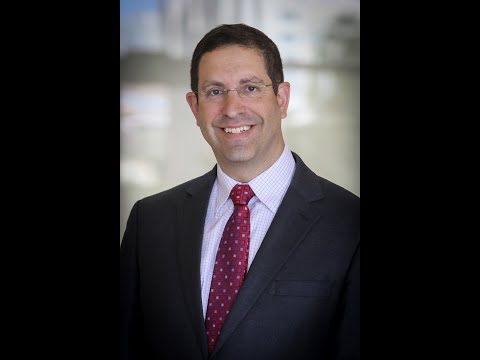 Watch on YouTube
Description
Per capita, Israel probably has the most international media coverage of any country. That coverage may also be among the most bifurcated, positive and negative. What are recent media trends pertaining to Israel? What is the key predictor of attitudes – religion, politics, or something else? Has social media changed what people know about Israel?
Transcript Automatic captions
Source: Automatic captions from YouTube, retrieved October 29, 2026. Automatic captions are machine generated and may misspell names and terms; check the video before quoting.
0:00 Hello and welcome to the Middle East Forum speaker webinar series and podcast. I'm Stacy Roman and I will be moderating this discussion today. We are pleased to have Gil Hoffman, executive director of Honest Reporting, an organization that combats ideological prejudice and journalism as it impacts Israel. Uh join us to discuss media coverage of Israel, what's new. Mr. Hoffman will speak for 15 minutes and open it up for questions. should you wish to ask a question, please use the Q&A box located at the bottom of your screen. And with that, I will turn the discussion over to Mr. Gil Hoffman.
0:35 Thank you so much, Stacy, and thank you to everyone who's come on this webinar. Um, I'm I've uh briefed the Middle East Forum in the past wearing my hat as the chief political correspondent analyst of the Jerusalem Post, which I was for 24 years. Um, I left when I was given an uh to lead the fight for Israel on the media battlefield, which is what honest reporting does. Uh, I believe there are three battles going on for Israel's existence. One on the military battlefield where we obviously have an advantage, one on college campuses where we obviously have a great disadvantage, and one on the in the mainstream and social media where I believe it's the fairest fight. Um, and we can win and we have to win because winning on the media battlefield is the key to winning on the other two battlefields. And I think that the best proof of that is what happened in the last two wars in Gaza. So, uh, in the 2021 war in May, Israel destroyed a tower in Gaza that, uh, was referred to
1:42 by the world as the CNN tower or the Alazer tower. Uh, Israel gave an hour for the everyone to leave the tower, of course, so there would be no harm to anyone, which allowed the crumbling of the tower to be filmed in every possible angle. But it took another month for Israel to actually say that this was the cyber tower of kamas and explain why removing this tower saved lives. Um and Israel learned lessons I think with what happened in the August 2022 war in Gaza.
2:17 That was when there were children unfortunately who were killed in the god refugee camp of Jabalia and at the time the security cabinet was meeting and the uh chief of uh the southern head of southern command general to do told ministers don't worry we didn't do it and we have proof of it and then the head of the PR director at Leor Hayat said then let me tell the world and the general didn't want to he said it's going to take a month to investigate this and we don't want to get in the way of our operations. And uh then the ministers ended up siding with uh Leor Hayat, the former console general in Miami. They went with the console general over the general, which is pretty incredible. And we did tell the world. And that's how that war ended in three days. We went from having a six- day war to a three-day war in part because we won on the media battlefield.
3:14 And so the historic perspective of what's going on right now in that fight is it's only getting harder. It's only getting harder because uh the media has adopted a false narrative of Israel being an aggressor uh foreign col colonial power that indiscriminately targets and kills Palestinian civilians. And uh we need to be calling out their war crimes of arming kids and encouraging them to go out and and murder people uh and become martyrs. Fortunately uh the media has uh normalized their words like martyr and and uh that has only made the region more unsafe.
3:58 Um it's harder right now to win on that media battlefield because uh the truth doesn't really matter anymore. Suddenly everyone I is uh a settler no matter where we live anywhere in Israel from the river to the sea. Suddenly uh everything is occupied um no matter where things are. I if remote is a settlement uh and uh a six-year-old is at fault for his own murder as the way media outlets around the world made it look like uh last Friday uh then uh the historic perspective is uh that it's uh only getting more difficult and what we need to be doing is is changing the narrative and that's what we're trying to do at Honest Reporting. uh we're trying to regain our deterrence um on that media battlefield just like we try to regain our deterrence on the military battlefield. And to that end uh
5:00 since I got this job on the 1 of July, we we've gotten seven journalists fired around the world uh who are anti-semitic praisers of of Adolf Hitler. Uh starting with uh that war in Gaza last summer where we the day after the war I asked my team who covered this war there's no freedom of the press in Gaza that's controlled by kamas check who the stringers there were and uh they found that fiona who had covered the war for the New York Times wrote on social media in Arabic I don't accept a Jew Israeli or Zionist or anyone who speaks Hebrew I'm with killing them wherever they are children elderly people and soldiers the Jews are sons of dogs. I'm in favor of killing them and burning them like Hitler did.
5:48 That's the man who covered the war in Gaza for the New York Times. And then as I the day that I met with Patrick Kingsley, shortly after that, the bureau chief of the New York Times, my team found two more who had praised Hitler or horrible terrorist attacks. Um and um that led to uh others CNN, Reuters um and uh we hope that they are running scared the fact that there were 350 uh journalists, Palestinian journalists who signed the letter condemning honest reporting for their investigative research into the their social media accounts uh proves we must be doing something right. The fact that Hamas, and Iran all made video reports about honest reporting, uh, shows we must be doing something right. They had a halfhour show about honest reporting on Iranian Press TV, their 24-hour English propaganda channel in which uh they
6:54 showed me with my little girl uh putting my vote in uh the ballot box um in order to try to intimidate me and uh say they know how to find me and and how to get to my children, which is absolutely disgusting. But uh the message is the journalists who glorify terror and are blatant anti-semmites can't be reporting on Israel in an objective manner. I I can't I don't care if they report about Afghanistan or the environment. Uh but we're not going to let them get away uh with reporting on what's going on on the Israeli Arab conflict. Um the uh and it was Osama bin Laden who said the key to winning uh a war is winning the media war. Uh whoever controls the narrative in the eyes of the international public uh is the one who wins. Uh and it's I think our success indicates that the
7:56 world is no longer blindly following the anti-Israel narrative. Now, what's also obviously made it harder over the last two months is our new government in Um, in part because we have new right-wing ministers who don't have experience in dealing with the world, don't realize what you can say publicly and what you can't say publicly. Um, and because the world has adopted this incorrect narrative of having the most right-wing hawkish um hardline ultraright um government in in Israel's history.
8:31 And of course uh the contrast with the more diverse government that we had before that got us good press that handed right-wing left-wing centrist and an Arab party for the first time and uh they've already been proven wrong in reporting about our government that we're going to be anti-LGBT. And then Nata appointed Amir Khan as the Kesset speaker who pointed out his husband of 18 years who had his two children on his lap sitting there in the gallery and said he won't let these children or any children be harmed. Uh they already got wrong that this government would be harming the reform and conservative movements uh which are treated badly by every government in Israel to be honest but um no steps are going to be taken against them. Um the head of United Torah of Judaism, Mosha Goffnne, the day that the government was sworn in said uh to all the the secular and traditional people watching me right now who are worried that changes are going to be happening on matters of religion and
9:33 state, this is what's going to change. Absolutely nothing. Uh so that that's the truth. Now obviously the legal reforms are obviously getting a bad press right now too and uh it needs to be explained that there are two sides. Um uh the people who are worried that uh this will harm our democracy that uh this is a judicial coup um that uh will end our checks and balances between our executive, legislative and judicial branches. uh h are making a very good point that those concerns are very valid. Um but also those who say that uh the Supreme Court have been taking too much power over the last 30 years. the those who say that uh the people who were evacuated from Gushkatif had nowhere to turn to because the executive, legislative and judicial branches in Israel all unified against
10:38 them also are making good point and when Nitanya says that um these steps will improve the Israeli economy, strengthen it and strengthen our uh uh democracy. We have no way of knowing uh that he's actually wrong. Uh I met with uh the uh Fitch Credit Agency few days ago and what has surprised me, I thought that the entire briefing would be about the legal reform. They're more worried about this government giving additional entitlements to the ultra orthodox that disincentivifies them from working than they're worried about the legal reforms because uh they don't know if the legal reforms are judicial coup, whatever you want to call it, would be good or bad for the economy yet. But they know that uh disincentivizing the ultraorththodox from working uh would be something that would be terrible uh for the Israeli economy. So uh I don't think that anywhere that around the world do they
11:43 get receive the attention that Israel does. We know that we're under a microscope more than uh anyone else in the world. That the media outlets around the world see Israel as local news no matter where they are. Um and uh because of that we have to be especially careful uh with that increased scrutiny. Um and uh what happens is that uh we we at Honest Reporting, we can only do so much because there's only three writers and one social media person working for Honest Reporting. Uh we depend on people who care about Israel like the people that are part of the Middle East forum to uh and are watching here today to write us at um action at whenever you see things that are horrible in in uh uh the mainstream and social media around the world. I I
12:45 appreciate all the people who are writing us since Friday about the terrible headlines that there were as if a car or a driver and not a terrorist uh murdered the six-year-old boy, the 8-year-old boy, his brother, and the recently uh married uh young man. Um, and we also appreciate those who uh are willing to help us. Uh, because you imagine if we're bunching above our weight with a a writing staff of three and a social media staff of one, imagine how much we more we could be doing if uh everybody here on this call would help just a a very little bit. um and and uh also help us deal with the security challenges that we're facing uh due to that success with Hamas, Hezbollah and Iran u uh noticing that success. Um you can go to our website honestreporting.com that which is very
13:48 uh technologically behind that we need to revamp desperately and and uh uh we need new software that uh and click on donate over there would be extremely helpful to helping Israel restore its deterrence on that media battlefield and help Israel win the war on the military battlefield and also make it easier I believe for the students going through challenges day in and day out uh on college campuses uh around North America and around the world. Um so thank you for uh being part of this talk and I want to thank uh Caris and the nice people there at the Middle East Forum for inviting me to be with you here today. And I I know we have only 15 minutes exactly uh for questions and I'm here to answer anything you want to know uh regarding this topic or Israeli politics that I covered all those years for the Jerusalem Post. Thank you very All right, thank you so much. The first
14:51 question is from Ken Moscowitz asking has honest also tried to change the terms used in the Arab-Israeli conflict such as indigenous, West Bank, settler, colonist, etc. uh which affect the narrative with a false or biased Those are very good points and uh we are indeed the indigenous people uh and uh we want the world to know about it and uh that's more important than ever. Um we also though have to deal with challenges that we uh SEO governs what we do. Uh so uh we we uh use West Bank still even though we know it's historically wrong and geographically problematic in addition to using Judea and Samaria which are obviously the correct terms to describe the biblical heartland of the Jewish people. We get a lot of flack uh on both sides and uh we're going to continue using both.
15:45 Absolutely. And David Savine is asks, "Isn't it more difficult to accomplish your objectives when the mainstream media won't explain to their viewers, listeners, and readers that from the river to the sea means Israel's You're right. Um, what's being tolerated uh on campus at the University of Michigan with they don't realize what in globalizing inifat means, murdering uh tens of 15 million Jews around the world. Um, it's horrible. Um, it's horrible what's being accepted right now that anti-semitism has become so mainstream.
16:24 I wish people would have put Kyrie Irving in his place when he was only criticizing Israel before he expanded it to criticizing the Jewish people in of course. Uh, so Jay, there it goes. Uh, David Lavine, a different one asks, "Our local San Francisco uh, television station recently ran Exodus as its Saturday night movie. Uh, the PBS homepage had its spokesman cautioned the movie was appreciated for its movie making excellence, but cautioned against the point of view of the movie. How do you combat that kind of insidious media First of all, thank you for pointing it out. If you can email me the details to I I will forward that to my staff to deal with. Um, and what happens is we we are in contact with the media outlets.
17:21 Um uh we don't just used to be you would write letters to the editor and and uh hope that they would receive them after a week and open them after another week and maybe they'd print it a week later. Um or you'd get a correction a couple weeks later on page nine and and now they fix things immediately. And so this is a this public broadcasting. This is obviously a broader thing but yeah we talk to the media outlets themselves and uh television stations and and get them to know the facts. We also have media central which is an arm that works with the journalists before they print and that's also very important.
18:05 Thank you. JL asks, "If, as you say, the media is so biased against Israel and no longer cares about reporting the truth objectively, should Israel simply stop engaging with the news media and either go around them via social media or deal only with those journalists who have been vetted." I don't think I said that. I I actually, as a proud journalist, and I'm still very much a journalist, think that the overwhelming majority of the journalists want to get it right and that we're helpful to them. um you know that if they get something wrong uh calling Tel Aviv the capital, we we we point that out and then they change it online within seconds and they write a letter to us thanking us. Um you know, the field of journalism has changed a lot since I started. I remember calling in a story on a pay phone. I remember going in to a press conference at 10:00 in the morning and having a 900 p.m. deadline and starting to write it at 7 at night.
19:01 Um, and now when I go to press conference, you better believe I'm done. Uh, my stories online by the time the press conference is over along with tweeting and taking pictures for Instagram and Facebook and everything. Um, it's gotten a lot harder to be a a journalist and it's to put it mildly not a high paying field. Um so um no we don't give up on the mainstream media but what I did on my first day as executive director of honest reporting is say from now on we also deal with social media because that is where an increasing number of people especially young people get their news and we critique it when they when people that have 100,000 followers say something.
19:43 It's very important to critique them and correct them immediately just as much as if it would be reported in a media outlet that has a similar number of Thank you. And Ethel kind of follows up on this. Uh honest reporting is uh while very good is is on the defensive. Uh is there anything you can do to be more on the offensive in the multiple senses of the word? Uh and how uh never mind. That's what media central does. Uh media central is is the positive arm of honest reporting. Um and uh they are constantly working with the journalists providing field tours um that uh take the journalists uh where the news is uh lately to Janine and Nablas and uh upcoming to Khan Akmar and um Masaf or Yata. um they uh during the war in Gaza were uh very helpful in in organizing briefings for the journalists um to make sure uh that uh they would get the facts
20:49 and so um that they engage with the journalists, help them understand the nuances and give them the background that journalistic outreach is is extremely Help them get the right get it right the first time. Absolutely. Uh thank you so much. Uh Jeffrey Cranes and Carrie Hillibbrand both uh ask, "Can you explain the basic difference between honest reporting and camera and is there any collaboration?" There used to be a battle and I stopped it. Um we want all the different organizations that are working on behalf of Israel to get along better. I think it's great that that camera's been around for 40 years doing uh very important work.
21:34 There's some overlap obviously uh that uh we both critique the media and there's more than enough anti-Israel media to be critiquing. Um they do a couple things that we don't do. For instance, they have an Arabic uh um department which is so important. Um and they have an actual infrastructure on college campuses uh which is necessary and they compete with others in that. Um but uh media central with being uh the uh positive arm of outreach uh uh oh I think he froze for a second there.
22:31 I'm here. I don't know what happened. Oh, wonderful. Um, media central is something that that they don't do of um reaching out to the journalists before and working with them to make sure that they get the story Thank you. Art to ask, uh, has the New York Times ever thanked you or other publications thanked you for pointing out one of their incorrect facts? And if not, do you have a plan B to get them Oh, no. It happens all the time, believe it or not, that they they appreciate when we uh the the media when we point out something incorrect that that that they can fix. Um I met with Patrick Kingsley, the bureau chief of the New York Times in Jerusalem, and he said we're both in in the uh truthtelling business, and um that he appreciated that we vetted better than he did when it came to Fi Hona. And then I pointed out the other two which surprised them.
23:28 Um but uh you know uh we we respect each other both as as veteran journalists and that's another thing that that that camera does not do. They do not meet with journalists and uh build a relationship like we do. Understood. Thank you. Uh, David Edmund asks, uh, do you use Natan Sharansky's 3Ds in your arguments over when criticism of Israel becomes Sure. Uh, the Natan Sharansky's uh 3Ds that were adopted and then um around the world as an important guideline and then IRA came and and expanded it even more are extremely important. I'm really glad uh that that he uh put it in a way that people could really understand g delegitimation de uh you know defamation and thank you. I wish I could help you out on that.
24:30 All right. Uh you got him. Robert Slater asks, "Your message is very important. Uh but how can we engage a larger Wow. I I this isn't the Robert Slater who was a journalist that wrote the Jews and sports and uh passed away. It was a great great man. I got to meet him when he came to the Jerusalem Post. Um but uh we we we want through social media we're bringing more people to the website of Honest Reporting and um I recommend people subscribe uh to our list and uh follow us on Facebook, Twitter, Instagram and now Tik Tok. Um and uh then your friends will see it and your like your followers will see it and your likers will see it and it all expands from there. That's the way it works nowadays. Um please go uh into uh what we've posted recently everyone here and forward a recent video or a recent Thank you. An anonymous attendee uh points out, "But in my part of the
25:33 world, many think the New York Times and some of its writers are absolutely truthful, etc. Uh but these believers don't think that they're anti-Israel or anti-Semitic at all." Uh how can we better point that out? the definition of of anti-semitism that's been accepted uh around the world is the IRA definition which has in it singling out the Jewish state. Um and the New York Times singles out the Jewish state obviously all the time that that's what anti-semitism is. Um I wish they weren't and I wish that they were more careful. Um, I'm in New York right now, uh, on a speaking tour of nine states. And, uh, whenever I meet anyone here, uh, and we talk about the New York Times, they they like either apologize for getting it or they say, uh, um, I've canceled three times or whatever.
26:35 You still have to, uh, I guess get it in order to complain about it. Thank you. Uh, so for the social media that's a little more involved, correct? It's it's dealing with Facebook or or Twitter or whoever to to basically use their AI filters to figure that out. Uh, or are you just going in and and reporting them as you see them? Oh, we have a program called Meltwater, which is like a uh Google on steroids that allows us to do our forensic research into what's being printed about Israel anywhere around the world in both mainstream and social media. It's not cheap. Um, and there are other programs that we want to have that we don't yet have that would facilitate us doing a much better job of um following media and social media all around the world. I I wish we could afford it.
27:34 Thank you. And can you just go a little bit into the college campuses? You mentioned that early on how we were not doing well there. Um I think that Yeah. Yeah. I I you know I've spoken 50 states. I've spoken college campuses in almost all the 50 states. I'm I'm speaking on a few big campuses on this trip and I don't even want to say where they are because even though you were all pro- Israel, I've had it happen in the past that I've spoken very openly to very pro-Israel audiences on Zoom and found out later that some anti-Israel group was watching somehow and then uh used it against us. So um but yes uh on college campuses uh they are going through hell right now. the uh pro-Israel students um and people make an exception as if all other hate is horrible but anti-semitism is Uh the students are running scared and they shouldn't be. They should just be able to go to school and have fun and like anybody else does. And I I truly believe that when Israel receives better press, that it becomes easier, that uh
28:38 that that they've got less to complain about, less to defend because uh again, part of that IRA definition is blaming an average Jew on campus at NYU for um the policies of the Israeli government. And that shouldn't be happen. Absolutely. And final question of the day, you know, you were you were speaking about um the who would win out of the PR rep versus the general and and how does the Israel's uh security uh go against the media uh relations? Is there any uh back and forth and fighting infighting there?
29:21 I'm not positive that they've learned all the lessons about why winning on the media battlefield is so important. I mean the fact that it happened once was was good but unfortunately there are so many other examples the Mavi Mara at sea and what happened there you know that you all know of where we failed and by responding too late um I I do know that the people in in leading this spokesman's unit now both in Hebrew and English are wonderful people that get it and uh it gives me hope. It really does uh that things are going to get better.
29:57 If anyone has any further questions or or want to invite me to address your communities around the world, uh my email address is gilhonestreporting.com. Thank you very much. Perfect. Thank you so much. That's usually my last question, but you beat me to it. All right, so we've come to the close of our webinar. Thank you again, Mr. Hoffman, for joining us Pleasure. Of course, for our viewers, please be on the look or please join us Wednesday at 3 p.m. Eastern for an update with Ashley Perry. Thank you all for joining us and I hope you have a wonderful day. Thanks.