
Webinar or Talk
The Nagorno-Karabakh War of 2020: An Armenian Perspective with Aram Hamparian
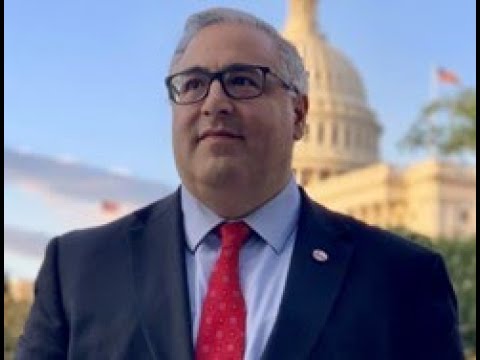 Watch on YouTube
Description
The war in the south Caucasus a year ago was part of a conflict over the Nagorno-Karabakh region that goes back over a century between what are now the republics of Armenia and Azerbaijan. What are sources of the conflict, its implications, and the choices it poses for the U.S. government?
Transcript Automatic captions
Source: Automatic captions from YouTube, retrieved November 5, 2026. Automatic captions are machine generated and may misspell names and terms; check the video before quoting.
0:00 all right hello i'm cliff smith the director of the washington um the washington project director of the middle east forum and today i am hosting aram herparian of the armenian national committee of america to discuss a very important issue to the region specifically the recent war in the south caucasus between armenia and azerbaijan lorem how are you doing today very well so glad to be with you let's start off to say that the conflict between our azerbaijan and armenia is very old and in some senses can be traced back all the way to the ottoman uh the modern conflict however was shaped in large part by the soviet union in the early 1920s just a few years after the armenian genocide which president biden recently recognized officially um then soviet dictator joseph stalin transferred an area that was um overwhelmingly ethnically armenian the nagarno kataba region to azerbaijan this was done as a way basically of keeping azerbaijan tied to the soviet union um
1:04 azerbaijan lost control this region after the fall of soviet union in the first uh nagara kanaba war of 1991 but while there has been non-stop tensions since the 2020 conflict was the first wide conflict we've seen since then sadly these conflicts have re-erupted this week timing is funny safe sad um according to available reports eight soldiers were killed and a dozen more and dozens more were wounded or missing um so there's a lot of details about the different forces at work over history and i like many of our viewers i'm not a real expert on this however our guest is and so i will start with um just by asking arm from your perspective why did the 2020 war happen it's a really really important question about i'll preface my response by first saying thank you cliff you've been a great partner a trusted uh expert really great resource for i think all of washington on issues that deal with the middle east so thank you for having us thank you to the middle east forum for for organizing this event okay why why did the war happen i would say there's
2:07 two root causes and and the first fruit is uh stalin and the soviet union and their desire as they kind of asserted authority into the into the caucuses and projected power into what's now azerbaijan armenia and georgia they sought to tie the various republics and oblasts and and regions uh to moscow and to make them dependent on moscow and they kind of created this kind of interconnecting web of dependencies uh for example by moving the armenian populated region historically armenian populated region of nagorno-karabakh which we call into an oblast a region administered by azerbaijan they took and did largely the same with nakajima which is an explain uh to the the southwest of armenia and their their hope was to tie these groups together and the fact of the matter is that azerbaijan's only claim to nagorno-karabakh is that joseph stalin stole it from them it's not a historic claim uh the area is uh covered in ancient armenian churches there's a
3:09 legacy of armenian um continuous presence there for thousands of years so that's that's one piece of it which was uh gerrymandering and the the effort by armenians to write a historic wrong so that's one layer of it and that answers some of the question of why there was a war the second part of it is panterkism which is now that azerbaijan is an independent republic and has allied itself with turkey with the ambition of connecting the turkic world who stands in the way you know small republic of armenia the small republic of nagorno-karabakh and the the they have attacked nagorno-karabakh took 70 percent of that indigenous christian armenian homeland and now have their sites set on sunni which is the southern part of armenia which would um basically cut off armenia from from even more of its neighbors and would connect the turkic world and everyone has spoken openly about this and saying you know the arenas can give it to us or we can take it and alive the president the billionaire president of azerbaijan has said the same so i think we have
4:11 historical injustice uh perpetrated by the soviets that now has created a fertile ground for pan-turkic ambitions in the region and this is not adam o'brien talking this is uh regime erdogan and ilhamali they're very very upfront about the fact that they want to connect their two countries physically at the expense of armenia and to kind of like a broad turkish role i think just a couple of days ago erdogan was visited by one of the right-wing parties the the nationalist parties in turkey and uh his colleague brought with him a map of of the future of turkey and it was a pretty scary if you happen to be uh armenian or greek or george and even it's it's a very ambitious very i think reckless approach so you touched on two things that i was going to ask about um one other thing i should mention if anybody has a question on the audience um can ask questions in the q a box and uh first we in our and we'll just talk about later on you can feel free to ask questions and we'll ask what which whatever ones we have time for one of the the things i was going to say
5:16 is um you know you've given a very good explanation of the historic and you know continuing tensions given the you know 30-year lull between you know not there was still conflict but sort of a big war why why did the specific time happen was this also due to erdogan's ambitions do you think or was this something else going on i think there's a like a lot of factors and it's hard to know for sure but i would say certainly uh erdogan's regional his desire to sort of build up his credentials domestically as kind of a you know a hammer of sorts uh also distracting from domestic uh problems that's like that's the the aerolog side of it looking at the the alias i think he's looking at uh his legacy and and he wanted to accomplish something that his father was unable to do and also if you look at uh osborne john's economy it's number one export by far in the high 90s is petroleum and that is uh a running out and b you know it's not the future the future is going to be
6:19 renewables or something else so i think that they view this as their window i think they thought they they see their their their power their wealth uh you know hitting a peak and this is the time to act then of course they did it they did the attack during covid uh much like the armenian genocide which was perpetrated during the first world war under the cover of war this attack was perpetrated during the covet crisis and then finally it was in the very very last days of the trump administration and there was simply no bandwidth in washington to deal with this issue given the transition and the controversy and stuff so they they you know uh it i'll say this about the turks and nazis they have become expert over the years over the centuries of um how to how to persecute how to prosecute wars against christian armenians so on that um so two questions one i would say when you're talking to this kind of pan-turkic you know um islamist ambition um you think that that um
7:21 azerbaijan is i mean their leaders are okay with erdogan sort of being the top dog in this new formation that might come forward is that that correct i don't think they're perfectly aligned but if the if the partnership with turkey can deliver you know something for them that they want which is uh to to claim indigenous armenian land then they'll certainly go along more broadly you know i think that they have different political cultures the azerbaijani political culture is still largely soviet uh the the leaders of azerbaijan many of the older ones studied in moscow they have a bit more of a bit more of a secular orientation not so secular that they would not um enlist jihadist mercenaries in their wars against armenia but they tend to have a little bit of a different political culture than everyone that's actually what i was going to ask next was that obviously one thing that you don't have to read that much about the war to realize is that this current last conflict um you know the gains that azerbaijan made were made largely because they were supported with not
8:24 with turkish troops and turkish weapons and also um reportedly and pretty i think it's fairly well um agreed upon now also syrian jihadists and also in one case most likely pakistani pakistan once bragged that they sent militants then rolled it back and said oh no no you misunderstood and so we didn't send anybody um so it's kind of one of those things what how big of a role do these outside factors play in in the conflict and what's the future well they were certainly decisive uh cliff if if if this were a conflict between armenia and azerbaijan uh certainly it would have been a horrific in any event it would have been very very violent and with great lethality on both sides but it was precisely uh turkey a major nato ally which is no no ally at all but with all the resources of the neo ally bringing its full weight into this conflict with f-16s with bio-rectangular drones which contained us parts with with uh officers and and
9:28 and uh you know intelligence that that tipped the scales if it was if it was armenian azerbaijan it would be one thing but when it's azerbaijan and turkey with the backing of pakistan against armenia a country of three million people um you know we're dealing here with in excess of 100 million people to the east and west of armenia an economy you know at least a hundred times as large as armenia is with the military a hundred times as large as arminius it was highly asymmetrical and um and uh and yeah that i think was the decisive fact here and do you think that will play a factor going forward i mean in future conflicts do you think these other actors are sort died in the role supporters of azerbaijan at this point i think so i i i think that we are seeing a turkey also regional axis backed by pakistan and i want to in this right here cliff um recognize you and recognize the middle east forum nobody in this city rang the alarm bells alerted the public policy community about the the turkey pakistan axis more
10:31 effectively or eloquently than middle east forum i think you guys were way ahead of the curve i mean i think you know our community and the great community and kurdish community and the hindu community see this now but i really think you guys were very far out front you guys have the vision to see this is a problem down the road i think increasingly obviously we're strong partners in this in this effort but i think increasingly this city is coming around to the idea that uh the islamabad ankara baku access is is a is a bad thing on so many levels and you can correct me understanding here but um even given the russia's historic role in sort of causing this conflict russia now is more or less on the side of armenia is that correct i'm not so sure how would you explain their relationship between armenia and russia then i would just describe it as russia has its interests in the region and it wanted to advance its interests and and somehow or other you know uh uh
11:34 managed this conflict in a way that that led to the outcomes that they were happy with such as a new military base and it the the fact of the matter is that the turks and the russians have been giving away giving away cutting away carving away armenian land now for for well over a century and it's you know the very often because of the relative might and economic half of relative to its its neighbors they very often the territorial costs come at the expense of the armenians and if you look at a map of a demographic map for example of where armenians were um 150 years ago they were all over asia minor into the caucuses up uh toward the black sea and today it's been reduced down to some very very tiny fragment and then reduced even further uh last fall and and the turkish presence just growing and growing and it's really it's really a scary proposition it is a continuation of the genocidal drive initiated in 1915 with the aim of just
12:37 getting rid of the armenians from that part of the world that's that's the there's talk and i think that some of um our viewers today may be familiar with this idea that if you surrender land you will get peace or if you lose land or if you're if your enemy gets land then they will they will be satisfied and give you peace i'll say this in response to that that the armenians once had a vast homeland right and armenians lived across you know a huge area of that part of the world and it's been taken away and people have massacred and ethnically cleansed and all of western armenia right is now part of turkey emptied of armenians the churches are either crumbling or being bulldozed yeah right and we might ask ourselves well did that satisfy turkey taking 90 of the armenian homeland did that make them happy no they're just as aggressive as ever they last year they took 70 percent of nagorno-karabakh right and now they're coming for the southern part of armenia so it's like you know you can toss as
13:40 many of of your friends to the alligator as you might like it's not gonna make the alligator happy and alligator's never gonna be satisfied just going to come back for more and more the the this is a situation like u.s policy makers view this as well how can these how can these two sides reach a stable equilibrium right how can they make mutual concessions and reach a stable equilibrium in which they can live in peace it's a nice idea it's a nice washington idea so it's an idea that people who've never lived in that region and never dealt with its its uh realities with what would offer so they say things like we call on both sides to cut it out right the fact of the matter is there are millions we obviously want peace look at the map nobody wants peace more near means i can say after 30 years on the job here in dc that that's not what the turks want the turks want there to be no armenia maybe no armenians even and and i think that's the difference in if this was game theory you might uh posit the two different games right armenia is looking for some stable equilibrium that will allow them to survive the turks and ozil's looking to
14:43 get rid of the armenians and um that's why it's so incredibly frustrating when our state department which is i believe our oldest federal agency or you know the executive branch agency and uh there's still say things like we call on both sides i i think like how would we have felt as americans if after pearl harbor somebody had told the americans in japanese to cut it out you know you have you played into a couple different things i wanted to ask you about one was you mentioned sort of a stable you know and i i obviously take it from your comments that you don't think that's been achieved and i i don't think it is either but my point i'm asking is right now there are russian peacekeeping forces as a result of the ceasefire at the end of um 2020.
15:31 what does that mean for all practical purposes what does that provide and what doesn't it and that's something that so those russian peacekeepers are the only thing between um the hundred thousand plus armenians who live in nagorno-karabakh the the russians are the only thing between them and being either killed or driven from their homes and that's just the way it is and now because it has a five year window we've already you know expended a year of that the question is like what will the future hold supposedly it's either side the armenian side of the aussie side can ask the russians to leave we'll see if the reality yeah i mean i would say this the russian they can be understood in many many different ways perhaps the most meaningful for the people there is that the only thing that prevents them from being killed are those russian peacekeepers and even with the russian peacekeepers a young man a 22 year old about a week ago was fixing the pipes so that his
16:33 his village could receive water because azerbaijan has topped off the water to nagorno-karabakh he was fixing a pipe ozzy soldier walked up executed him the u.s state department response and cliff i can't make this up was we regret the violence that led to the death uh i i remember from my 10th grade english teacher he would have given me a c minus for a sentence like that right it's a passive voice you're not the object is not clear the subject is not clear it's just like you know it reigns it's it's that's not how you describe a crime you describe a crime by defining the perpetrator defining the victim defining the act you know using an actual verb and um but that our state department has yet to find the courage they have to find the will maybe they've simply made a judgment that they don't want to challenge azerbaijan's aggression we saw that by the way for decades on turkey and that's changing and that's a good thing it's good for u.s policy that we can speak honestly to turkey about f-35s or cyprus or the armenian genocide or
17:35 whatever uh that's a healthy thing but we're not there yet with azerbaijan that's that's very frustrating so i'll ask one more question then we'll go to audience questions but um as you alluded to you know um while the big war um you know of 2020 is over there are still these skirmishes there's still violence and this issue is nowhere close to resolved even in the most you know temporary um sense and um obviously as the largest you know political organization of armenians in america you are working to change policy and policy is being made in real time in armenia in washington dc and moscow all over the world but particularly in bc since that's your angle you know what are what are the issues you are trying to change in congress in the administration so on and so forth american policy towards armenia sure i mean literally as we speak today the senate is wrestling with the national defense authorization act and there's several measures in that bill that we hope to see
18:37 continue and get enacted into law they were offered as amendments one is to cut aid military 8000 by john azerbaijan's run by a billionaire this family is fabulously wealthy they don't need they don't deserve american tax dollars so cutting military taxes on it just emboldens that it's material support but more meaningfully it's like a moral moral endorsement of what they're doing so cutting the military is number one number two getting humanitarian aid to nagorno-karabakh number two and then third getting some um state department pentagon reports on the work crimes and the use of turkish drones and mercenaries and prohibited munitions so one is kareeta john's second is get aid to nagorno-karabakh and third is thank you um we will go to um the audience questions and just looking over these um here's a good one see didn't azerbaijan also receive military assistance from israel asked david fine another one asks how do you
19:41 view israel's connection to and support for azerbaijan from mir milan i'm not sure if they receive military assistance i think they the israel did sell weapons considerable uh historic weapons to azerbaijan so that's number one how do i feel i think azerbaijan um has benefited significantly from uh the sale of of energy resources oil and gas to israel and and azerbaijan has purchased a lot of israeli hardware so i think that that relationship was it's commercial and also geopolitical i think that um israel may see an azerbaijan an ally of sorts not an overt ally but an ally of sorts against iran so and that i think the sort of the basic facts which is israel aligns itself through military energy energy purchases and and some geopolitical orientation the armenians in this war that's that's very unfortunate uh i would say separate from that that i think within israel
20:44 itself and i think within among among jews around the world there's not any great enthusiasm about lining up with azerbaijan i don't think azerbaijan reflects any of the traditions that have traditionally defined sort of the either israel as a as a as a state or or the jewish people over thousands of years i think that the the natural alliance is actually with armenians based on unshared values shared experiences we've both been through genocide we both deal with um denial of of the genocides we have endured on so in terms of like being living in the same cities in the same neighborhoods in the same professions the the the connections are really remarkable so that um what i find is that in my interaction with with um certainly jewish americans and even even uh advocates you know who are fighting for israel's security is that there's not a huge comfort level with lining up with azerbaijan but you know maybe the the message from israeli foreign ministry might be that
21:46 this is something that we need to do i don't think it's really sustainable over the long term i i shared at a conference a couple years ago um with some jewish american friends that if you um if you're if you're not happy with how the erdogan thing worked out just just wait a little bit it'll happen with aliyah the the it'll you'll you'll see an alliance of convenience that over the short term may uh deliver some some benefits but over the long term we'll come back um and very likely backfiring with aliyah following the arabidom path of being openly hostile to israel and and i believe anti-semitic as well understood um another question um one of the things i hear i guess i should say from um people around town that may be taking a um azeri friendly point of view would be that from the u.s point of view azerbaijan has problems with iran and therefore you know they could be helpful in trying to hamper iran's ambitions and so how do you view the azerbaijani iran
22:49 um relationship and the role they play in in all of this um yeah actually it's actually interesting that very often um azerbaijan in my opinion in this city doesn't have any let's say organic support there's not a lot of people out there who just have come around to really admiring and respecting azerbaijan's political culture or their their territorial ambitions typically they buy their influence in this town and or they rent it they have a lot of money huge amount of money they spend it very very liberally so i would say that uh their talking points very often are like iran and israel right uh the fact of the matter is that azerbaijan trades with russia and iran every bit as much as armenia i think actually more than army it's a larger economy but they have like really robust uh robust trade relations uh but the the i think they're trying to make a derivative point against the armenians saying well you shouldn't support the armenians because they you know they have a relationship with
23:52 the russians or they shouldn't talk to the armies because they have a relationship with iranians well azerbaijan does as well i would also we we share back not with these lobbyists so much as with the u.s administration and the foreign policy establishment that uh if an effort had been made to to restrain turkey and azerbaijan from their hyper anti-armenian policies such that they've blockaded the east and west of armenia entirely for 30 more than 30 years right armenia would not be forced to look north and south alone if it had some options east and west but those those are not choices armenia has made those are choices the turks and nazis have made so if armenia trades with its northern and southern neighbors it's because it really has absolutely no other choice it could close those borders and maybe make a couple of possibly lobbyists happy but it will be suicidal absolutely and utterly suicidal are there other countries that could form in a closer economic bond with azerbaijan or excuse me armenia and not azerbaijan that would
24:56 those choices shall we say less stark well the problem is i mean has right now four borders right georgia to the north turkey to the west osborne to eastern iran to the south uh so in terms of like contiguous borders not really um but there are many countries around the world that the army has good relations with and armenia has just you know again against the talking points of of some of the you know always guys in dc um crimea actually has a decent relationship with the us anchored in a large and vibrant active armenian american community very very strong ties with europe uh france germany you know spain other other countries and also strong relations with with russia and other regional partners our uh the dilemma has been has been the turks who i i've said before it's not like we don't get along i say this without exaggeration they want to kill us they want to get rid of us they make no secret of it if it was me saying it you might say well adam's just you know
25:57 he's exaggerating read erdogan's own words look at the maps they publish look at the maps they erdogan when he took over the highest sophia which is this huge orthodox cathedral which had become a museum and then a mosque he had his top imam um open the the prayer of that of the new mosque carrying a sword and then he used the phrase the armenians are i'm not quoting exactly but it was along the lines of the armenians are the remnants of the sword in turkey she said that that's a turkish way of saying these are the guys we didn't get around to killing a century ago we'll take care of them now yeah absolutely and i think our i think i think a lot of the folks on this poll understand what it's like be targeted for who we are and then have the rest of the world say oh it can't be that bad it can't be that bad you know what sometimes it is that bad sometimes it's not bad i understand the is some of the blind eye that uh
27:00 the west turns on this are related to economic connections to azerbaijan that's from roger in the audience no absolutely absolutely the azerbaijan has a large gdp almost entirely derived from petroleum products i think i checked i believe number two is tomatoes i think that their number two export is is um is like it's it's not that consequential so yeah that that's that's a big thing the azerbaijan for example has leverage where will osprey john send its energy resources to the north to russia to the south to the persian gulf through iran uh to the east to china or to the west and europe um you know through through turkey georgia turkey and and azerbaijan has leverage because it has that it has these options and when us policy is to reduce europe's reliance on let's say russian energy right a source of energy
28:02 like azerbaijan becomes very attractive so you see all sorts of difference the same community parallel to the econ side is the geopolitics so for the strategic so for example azerbaijan was for many years um a way station on the way to afghanistan and it helped a lot of supply routes to afghanistan before the united states were through through azerbaijan so there is leverage there and i think that with afghanistan all the changes we're seeing battleship with a lesser reliance on on on carbon energy i think we'll also see like i think i think they hit their peak financially for a while unless they can come up with some other way to you know package their tomato products i think they're they're wealthy country and they'll be wealthy for a while but not well thank you very much harm i think that is reaching about the end of our time but uh really appreciate you discussing this issue with us and uh i will talk to you later thank you folks for joining us and uh join us next week for more uh webinars and we really
29:05 appreciate your attendance thank you thank you cliff