
Webinar or Talk
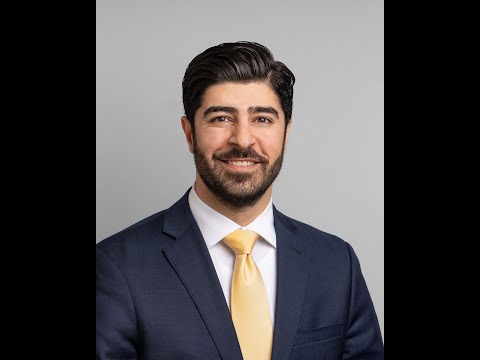
Finding Peace and Stability for the Kurds with Diliman Abdulkader
 Watch on YouTube
Description
Even as Turkey continues military operations against the Kurds in Syria, Iran has tried to derail mass protests by attacking Iranian Kurdish organizations in northern Iraq. Threatened by fellow Islamist governments in Turkey and Iran, what prospects do the Kurds have to achieve peace and stability?
Transcript Automatic captions
Source: Automatic captions from YouTube, retrieved October 30, 2026. Automatic captions are machine generated and may misspell names and terms; check the video before quoting.
0:01 Hello and welcome to the Middle East Forum speaker webinar series and podcast. I'm Stacy Roman and I will be moderating this discussion today. We're pleased to have Mr. Damon Abdulkar, the president of the American Friends for Kurdistan of Kurdistan, uh an independent advocacy and education organization working to advance US Kurdish relations. Join us to discuss finding peace and stability for the Kurds. Mr. Abdul Kader will speak for 15 minutes and open it up for questions. Should you wish to ask a question, please use the Q&A box located at the bottom of your screen to type your question. And with that, I'll turn the discussion over to Mr. Dilaman Abdul Thank you for having me and thank you to the Middle East forum for this uh very timely uh discussion. I'm just going to talk about what the latest developments in Turkey and Iran in regards to the Kurds um and how that affects uh at the end how that affects the Kurdistan region which is centered in between both these countries.
1:00 In regarding to Turkey, uh listen, we can start back from the uh the bombing in Istanbul uh which happened mid November uh if you recall which killed uh a number of people injuring over 80 uh with 80 wounded and directly after the bombing, the Turkish government under the Erdogan regime uh blamed the Kurdish people and the so and the PKK for the uh the bombing in Istanul. Um, but you know, this may have been a false flag operation. Uh, if you look back at Turkeykey's history, they have a, uh, you know, they're known to blame the Kurds and pull the Kurdish card in order to incite violence between Turks and Kurds, but also, uh, allows for the Turkish government to uh, you know, falsely target the Kurds in regards to military operation.
1:54 uh you know the what's going on within Turkey today with the the worsening economic situation with the upcoming elections uh in uh June 2023 and you know the the continuous jailing of uh opposition uh politicians and uh political uh political affiliates and journalists. Uh this allows blaming the Kurds allows Erdogan to shift the blame directly and distract the population uh of the continuous worsening situation inside Turkey. Um and you know directly after the Istanbul bombings, the Erdogan regime conducted an air campaign in northeast Syria as uh you may all are be aware of is that you know the the air campaign uh killed about 11 people including journalists. Northeast Syria is known to be uh one of the most stable regions of Syria altogether.
2:52 think it's it's about 34% of Syrian territory which holds about 40% of Syrian citizens and controlling over 80% of Syria's uh resources which also includes uh not only Kurds but Arabs, Armenians, Kerskians, Muslims in that part of the region. Um you know Erdogan is threatening to destabilize this. uh he is against a a part of Syria that is controlled by the Kurds and I think this was motive uh for him to blame the Kurds with the Istanul bombings. Um you know in northeast Syria also holds uh state is uh positions 900 US service members as well and this threatens their their lives and security uh there as well. And you know Turkey is a NATO member.
3:42 However, we know that Turkey is not behaving like so. The uh you know the Turkish goal inside uh northeast Syria and you know inside Turkey as well um is to literally just go after the Kurds is to uh tackle their uh target their uh identity. is to uh uh end the Kurdish uh the Kurdish government that and the Kurdish Arab uh coalition government that is controlled in northeast Syria. And in order to do this, he requires a military operation. And the Istanul bombing uh is a perfect excuse for the Erdogan regime to conduct this. And you know, if you recall the 2019 invasion of northeast Syria, which was greenlighted by the previous uh US administration, targeted and invaded northeast Syria 30 kilometers deep into the region, but he failed to uh he failed to occupy uh Tobani, the town of Tobani, which is uh you know, which is which is known for
4:46 the you know, the defeat and the resistance against ISIS in 2014. 14 and which led the United States to support to support the the Kurds there. Uh and the town of Koban is very symbolic for the Kurds. But the town of Kobani is also the bridge that prevents the two territories that are controlled by by the Erdogan regime uh inside Turkey bordering along the Turkish border. And that middle part uh in Pan uh prevents Erdogan from connecting the territories he occupies. Because if we look at Turkeykey's history, we know what Turkey wants to do. We know that what the Erdogan regime wants to do is to basically invade, occupy, and eventually annex and included to be included part of Turkeykey's territory. he'll just normalize uh and uh you know turkify uh the region as he has done in northeast Syria along the border but also northwest Syria in Ephraim which is 95% happens to be 95% Kurdish and all this
5:53 is you know spilling over into Iraqi Kurdistan as well because Edawan says he is not against all Kurds he's only against the PKK but the Kurds in Iraq are not PKK is bombing civilian and uh civilian uh civilian areas inside the Kurdistan region which is which is an internationally autonomous region and Erdogan is not stopping his military operations and going against not only NATO's uh principles but against the United States uh position in the region which they're there to fight uh ISIS to defeat Dash and Erdogan is halting these uh these uh military operations against ISIS simply because he wants to go after the Kurds.
6:42 And with that being said, regarding the uh with the Turkish regime, I'll uh I'll go into what's going on in Iran in regards to the Kurds. Um you know, four months since the protest in Iran uh with the uh with the killing of Gina Amini. Gina is a is a Kurdish woman that was killed by the Iranian regime which sparked the protests that are happening now uh that continue to be to happen today. And what the Iranian regime has done is similarly to the Turkish regime has shifted the blame of the protest and try and has attempted to make this about the Kurts specifically about the Kurds. The Kurdish population in northwest Iran uh numbers about 12 to 15,000 12 to 15 million and the Kurds have a number of faction of armed groups as well that are not only based in uh northwest Iran but also Iraqi Kurdistan as well and but what the unique thing is is that the the regime has tried to
7:46 derail the protests and blame the Kurds by by targeting Kurdish cities by cutting the electricity to uh Kurdish regions in the northwest by imprisoning Kurdish protesters by beating them by even executing them. So they continue to ex execute the Kurds uh uh even after the death of Regina Amini and you know the regime is trying to do ultimately their goal there is that you know hey we're all Iranians the Kurds are trying to separate from Iran.
8:20 uh they're calling the Kurds uh you know separatists and you know you know because they want an independent state and whatnot. So this is the same mentality as we see with the Iranian reg with the uh Turkish regime is that blame the Kurds, pull out the Kurdish card and it's uh and somehow we'll bring all whether it be Turkish with Turkey and or Iranian uh with within Iran. We'll bring all of our uh those who are protesting against our uh regime and shift that blame on the Kurds. The Kurds are however facing, you know, they're in a difficult position because they're not only facing backlash from the regime in regards to having the protest being blamed on on them, but also from the Iranian protesters themselves because the Kurds don't identify as Iranian. Um, the Kurds are Kurds. Their language is Kurdish. They're they don't speak Farsy.
9:14 They have a distinct culture, history, dress, you name it. And of course the Kurds as you know with the Kurds in the rest of the region want autonomy and want eventually independent state as is their right. However the uh they're facing they're also facing backlash from the Iranian protesters themselves. Uh you'll see that in protests inside Iran. You'll see that protest abroad whether in Europe or the United States where Kurds are being targeted by the Iranian uh protesters who are them themselves are against the regime and the Kurds you know naturally will ask if the regime does fall the Islamic regime in Iran how will you be different because the Kurds the Kurdish experience with the Sha's regime previously before the uh is Islamic regime was no was not much different. Kurds were being executed left and right under the Sha regime. And the Kurds continue to see uh you know, you know, these uh these habits, these
10:17 uh these opp these policies of uh of targeting of Kurds because of their identity. And you know, to this day, it's still sort of taboo to say that Gina Amini was Kurdish by Iranian protesters. So that's kind of another issue that the Kurds are facing is not only the regime but also uh the the protesters who are supposedly supposed to be on the side of the Kur of the Kurds as well because the Kurds are also protesting the regime alongside the Iranian protesters. Um so I think this puts the the Kurds in a much difficult position. is just shows that they don't have many allies in the region and you know the Kurds the Kurdish factions are are armed uh but they're not influencing the protests as the regime likes to you know likes people to think so uh the the most majority of the armed factions are based in Iraqi Kurdistan which have you know conducted peaceful uh peaceful deals with the government in order for
11:20 the Kurdish government in Iraq to have better relationships with its neighbor Iran. Uh naturally so and I think the and you know similarly to the Turkish regime, the Iranian regime has threatened a ground invasion and a military operation in uh in Iraq in the Kurdistan region. So now you have the Kurdistan region which has has the most stability which has which is the only part of Kurdistan which has autonomy is being threatened from both Turkey and and you know the you know the the United States is is is based in uh in the in the Kurdish region. We have an we have a consulate there. We have military personnel there. Many foreign consulates are based in the Kurdistan region, but the Iranian regime sees the the the KRG, the Kurdistan regional government as aiding and assisting the Kurdish opposition groups who are uh who have taken uh you know who have taken uh who
12:24 have sought safety in in that part of the uh part of Iraq. So I think the important thing for us to uh you know to to realize is that for the United States you cannot you know you cannot abandon the Kurds at this at this moment. Uh the Kurds have a history of being abandoned and betrayed by the United States. I think this is an opportunity in regards to Turkey for the United States to hold its NATO ally Turkey accountable. Just because Turkey is a NATO ally, it does not give it to conduct military operations and halt the healthy fight against ISIS uh against the you know just to go after the Kurds. And similarly with the Iranian regime, the United States should not uh you know sacrifice the protest you know just because they wants to conduct JCPOA talks uh with the regime.
13:23 That's not that that's not a a good trade if you look at it from any perspective. And you know, the Biden administration should not repeat the mistakes of the Obama administration in ignoring the protests similarly to to what the Obama administration did in uh 2009 with the green revolution in Iran. So I think there's an opportunity here for the United States to hold uh Turkey accountable, implement sanctions because we know sanctions work against Turkey. Turkeykey's attitude and Erdogan uh Erdogan's attitude will change and we also know that the JCPOA talks is not enough. It should not continue if the protests are demanding that uh for it to you know the protest themselves the protesters themselves are demanding for it to stop. So I think uh this is a uh this is a huge opportunity for the United States to show where it stands in the region and if it does really support uh the the people who are being targeted by these authoritarian regimes. And I'll
14:25 stop right there. I'll be happy to answer any questions. All right. Wonderful. Thank you so much. So the first actually we have two questions similar. David Lavine and Barry Warren are both want to know uh what role if any do you see for Israel in assisting the Kurds in their You know, Israel is has always been a supporter of the Jewish people and uh the people of Israel have always been a supporter of the Kurds. We I mean if you recall back in 2017 when the Kurds held Kurds in Iraq held their independence referendum which passed uh overwhelmingly by 93% Israel was the only country in the world to recognize the results of the referendum and to recognize the the a Kurdish state. Um, with that being said, I think you know the position the Kurds are in makes it difficult for the Kurds to, you know, any Kurdish government or any Kurdish political party or armed group to uh come out in public and say we want
15:28 Israel support simply because Turkey regardless of the uh, you know, economic partnerships with Israel it has, it's not very friendly to uh to Jewish people and uh Israel. That's the reality. And we know where the Islamic regime stands in this as well. Um so I think and the Kurds, you know, unfortunately the support from Israel is a double-edged sword. Uh I would label it as just because it's difficult with their position and they're stateless. They don't have a military or air force that can uh you know that can withstand the threats coming if they said we want Israel support tomorrow.
16:07 Absolutely. Thank you. Uh, so are there any allies in the area for for the The Kurds have, you know, the Kurds rely on the United States. The Kurds rely on uh, you know, the the European powers to uh, to train them uh, you know, train the Peshmerga forces, to professionalize their their army. Uh, in the in Syria, the Kurds rely on the United States and Germany and France. Um, you know, as far as regional allies, uh, not really. The Assad regime continues to not recognize the Kurds and, you know, the, you know, what they've accomplished and he's continues to threaten that he wants, uh, you know, the rest of Syria back, uh, including the Kurdish regions. And he's not interested in peace talks with the Kurds at at all. Turkey, we cannot look to Turkey. He's targeting the Kurds uh within Turkey, but also you know the Kurds in Iraq and Syria. Similarly to Iran, um the Kurds have uh you know in Syria and to a certain degree in uh Iraq
17:10 as well um have uh conducted peaceful relations with locals um with the different religious groups uh you know with the different uh ethnicities within these countries and that's what makes for example northeast Syria successful is the the stability they have created among not only Kurds themselves but the Arabs the uh you know the the the Christians, the Armenians, the the Muslims there. So I think that's what Erdogan is also ultimately afraid of is that the stability the Kurds have created can lead to another autonomous Kurdish region similarly to Iraqi Thank you. I know you you did mention um that that the US should not abandon the the Kurdish people, but are the Kurdish people uh nervous about that happening, especially what happened in Afghanistan?
18:04 Definitely. I think that's the the the biggest fear is that the United States can of course we understand the US has no appetite for uh you know, US presence and US boots on the ground, but the Kurds are not asking the United States to fight for them. The Kurds are not asking US soldiers to uh do the dirty work. Um the Kurds are all they're asking for is uh the US presence on the ground with the wave with the flags waving and that is symbolic enough to push back a NATO ally that is you know allied with tur with the United States like Turkey. Um, and that will prevent, for example, Iran from continuing missile strikes and conducting uh bombings in uh in Kurdish regions because they know these governments and these regimes know that there will be responses from the United States if they are threatened, if the US US personnel are threatened and you know the the Kurds are reliable. The Kurds are have conducted successful military operations uh alongside US military uh members. uh we you know the the number of ISIS
19:10 leaders who have been killed or captured majority is in is because of the Kurds is the intelligence gathering from the Kurds in Iraq and the Kurds in Syria. So I think that's critical uh the you know staying and uh being alongside the Kurds in the region is investment for the United States in regards to intelligence and security and stability. Absolutely. Uh so can you just talk a little bit about what peace and stability would look like for the Kurds uh in regards to Turkey, in regards to Iran and and just in general as well?
19:45 Right. You know, with in regards to Turkey, I think the United the the Turkish government cannot solve the Kurdish question inside Turkey with military operations. They've tried to do this for over four decades, since the late 70s, since ' 84, uh with the founding of the PKK, and it's not been successful. has been taking the lives over 40,000 uh individuals on both sides. I think this is not the solution. The solution is peaceful dialogue. Uh you know it's for the Turkish government unfortunately it's easy to wage peace but it's not very interested in waging it's easy to wage war. It's not very interested in waging peace. And I think we've seen that with the countless uh uh military operations happening both in in southeast Turkey where the Kurds are uh located and also in northeast Syria and in Iraqi Kurdistan to a certain extent on a daily basis. So I think in order for the Kurds to find peace and stability, the Turkish government, they have the leverage. They have the upper hand. If they're interested in peace, they can make peace tomorrow. Because
20:47 the Kurds for many times have called for peace. They've called for dialogue with the Erdogan government. Um but this is not happening and uh you know for and I think it's it's not in the interest of Turkey. I think they don't see because what is peace look like for you know having peace with the Kurds. That means you can no longer pull the Kurdish [ __ ] that means you can no longer when you're losing an elections or when your economy is deteriorating. You can no longer conduct military strikes where it brings the population together. And I think that would be a huge loss for a authoritarian uh government like Erdogans. And you know, similarly to Iran, uh I think 100% they're against any kind of autonomous region like Turkey. They fear an autonomous region like the KRG um for the Kurds and Iran.
21:38 Um so I think that's where the United States can play a role is that having talks such as like the JCPOA must include human rights violations as well. It shouldn't be just simply based on uh you know the nuclear talks. It should be missile strike. It should be drone strikes. It should be uh uh human rights violations. Should be hanging in public of Kurds of dissident. Uh Iran is not just made up of Iranians. You know we have Kurds, we have Arabs, we have Balois, we have Azeris who are also protesting against the regime. And I think this is important for the United States to realize too.
22:18 Thank you. Roger Meyer asks, "The Kurds lost to the colonial powers after World War I. Is there any feasible strategy going forward to give the Kurds what they lost in the 1920s?" Great question. You know, the Kurds were promised a state after World War I. It was denied and never happened. And I think what what is happening, all the developments on the ground that are happening is a result of that. We're still paying for that. and the Kurds number 45 to 50 million without a state. Um I think you know the this there's there's two factors to this. Uh the first is internal. The Kurds have to be uh you know across all parts of the all part of what they call Kurdistan.
23:03 Um, the Kurds have to have a united force, a central command. A large, you know, a a major reason why the referendum ended up being a failure in 2017 was because the Kurds didn't have a central command. Uh, their Peshmerga forces were threatened. They were divided. Uh, you know, of when Kiruk was uh invaded, you know, part of the forces fled in 2017 when the Shiites came into the north and took over. Uh so I think that's that's a major reason the Kurds don't see that unity is key. And second is that you know they have to translate the military the military successes on the ground that they've had against ISIS and you know their uh their enemies their adversaries who and most of the time the Kurds are fighting alongside the United States when they're fighting these organizations. They have to translate these military successes into into political achievements. What that means is better translating these successes, these military operations, explaining it to members of Congress,
24:05 explaining to the administration because that's what the Kurds are lacking. And that's why, you know, I've created AFK, American Friends of Kurdistan, is to do this uh, you know, put the Kurdish issue on the table. We're not, you know, we're not, we don't have access to the president like Turkey does. We don't have access to uh, you know, like Iran does or whatnot. um the Kurds are stateless. They don't have access to these large bi international bodies. So they have to take all the whatever successes they have and translate them into political achievements. And I think um if they conduct these two uh accurately and you know precisely I think they have you know it's very possible to create a independent Thank you. Uh Robert Laric asks uh as voting members in the UN uh for human universal human rights supposedly then don't these states have a responsibility to recognize independent regions or states with human rights within they do but also simply I mean Turkey is
25:09 a perfect example because it hides behind the NATO security block you know the the principles of NATO says democracy Turkey is not democratic. Uh you know it's it's allows it for you know allows uh countries like the United States or you know countries in the European Union to look the other way because tur turkey is simply a NATO partner. And if you look at it from a US perspective sure it's not in the interest you know because you know what's going on in Ukraine and the the Russian uh threat and the growing Russian concern in China. Um it's not a in the US in the interest of the US to kind of you know divide further further divide NATO um than Turkey already has by sidelining Turkey and or removing Turkey. Um but if we're up if we're to uphold, you know, the human rights convention and you know what the principles of the United Nations and whatnot, absolutely I think we have to look outside of NATO and all these uh bilateral partnerships and whatnot and
26:12 look at the region for what it is. Look at the the reality and accept that you know who your partners are and who are against you. Um I think Turkey has uh moved beyond the United States to a certain degree. Turkey has shifted east and Turkey has Turkeykey's foreign policy has uh you know has has shifted dramatically since the '9s. But the United States continues to look at the Middle East as it was in the '90s. And I think this is uh this is not uh rational. uh the United States has more friends than it than it you know than it thinks it does in the region but only if it looks at it from a realistic point of Yes, we have uh delved into that topic quite a few times. Um all right so before we go can you tell us a little bit more about the where we can find some more of your work and specifically the American friends of Kurdistan?
27:10 Yes, please uh visit americanan friends of kurdistan.org or you know we're active here in Washington on Capitol Hill. We work directly with members of Congress educating them uh you know on these issues as they happen and we try to uh prevent the conflicts before they happen. We're trying to uh you know ensure that they understand the situation and explain why safety in Turkey is important. Why preventing this uh why preventing arms sales to Turkey or uh you know whatever whoever it may be is against uh you know uh United States uh national security interest and also I'm very active on Twitter as well.
27:47 uh find me there and uh you know uh I'm very active so it's a lot is going on. So I just encourage you to also you know if I were to give a message to the audiences reach out to your members of Congress and educate them on these issues that are going on because we are constituents and they they will eventually listen to us. It'll make our jobs easier on the hill as well. All right. Well, thank you so much. We've come to the close of our webinar and podcast. Thank you again Mr. Abdul Carter for joining us today. Thank you for having me.
28:20 Cheers. For our viewers, please be on the lookout for our weekly webinars offering email coming out over the weekend. Thank you all for joining us and I hope you have a wonderful day.